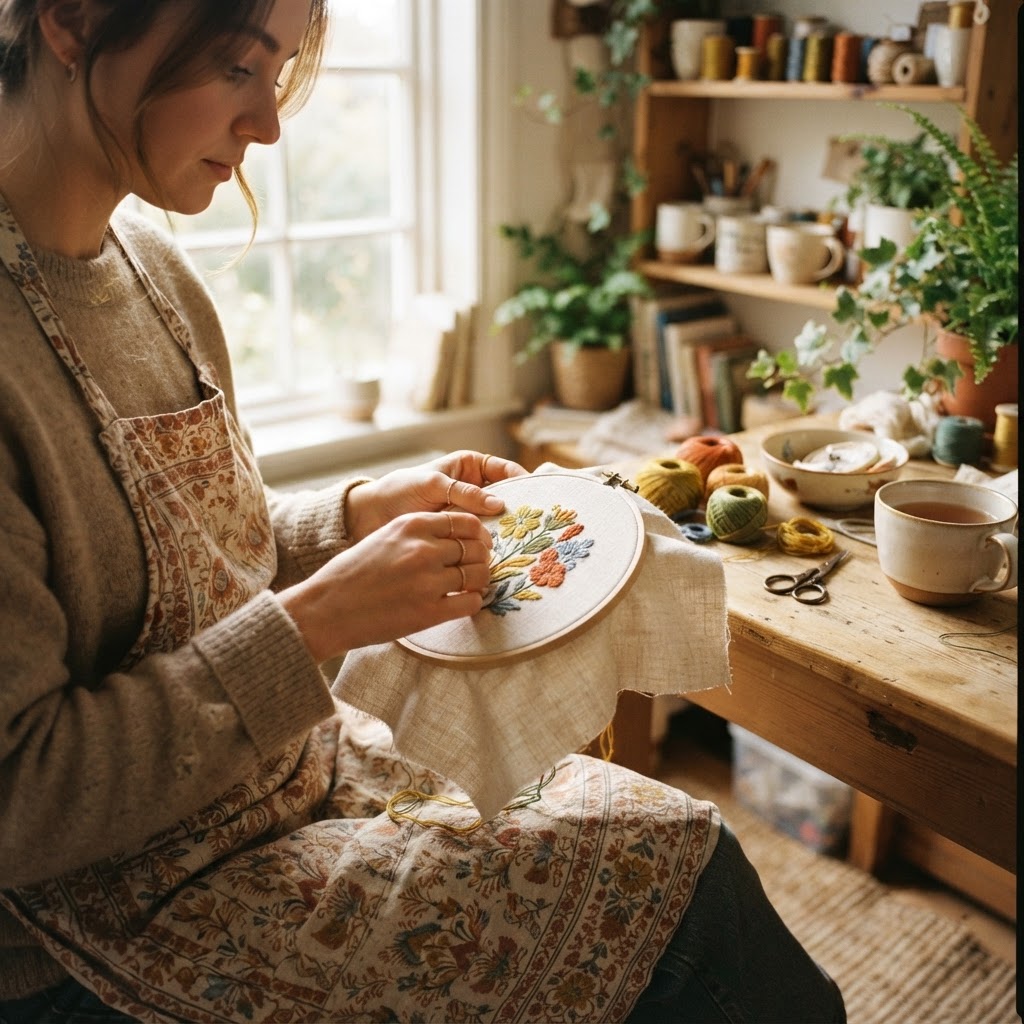
The Rise of Analog Hobbies: Why Canadians Are Disconnecting to Reconnect
The Digital Detox: Why 2026 Is the Year of the Analog
In an era where our lives are increasingly mediated by artificial intelligence, cloud computing, and the relentless ping of notifications, a quiet revolution is taking place across Canada. From the bustling urban centers of Toronto and Montreal to the quiet, rugged landscapes of the Maritimes, Canadians are experiencing a collective case of 'digital fatigue.' As we navigate the midpoint of the decade, the pendulum is swinging back toward the tactile, the imperfect, and the intentionally slow.
The rise of analog hobbies is not merely a nostalgic trend; it is a profound lifestyle shift. It is a conscious reclamation of our time, our focus, and our mental well-being. By stepping away from the screen, Canadians are discovering that the most advanced technology we possess is, in fact, our own hands.
Why We Crave the Tangible
Psychologists and wellness experts have long pointed to the 'flow state'—that magical mental space where time seems to vanish and we become fully immersed in a task. Digital scrolling, by contrast, rarely induces flow. Instead, it often leaves us fragmented and drained. Analog hobbies, such as woodworking, analog photography, ceramics, and even analog gardening, provide the sensory feedback that the digital world lacks.
There is something grounding about the smell of cedar shavings in a workshop, the weight of a film camera in your palm, or the cool, malleable texture of clay. These sensory experiences anchor us in the present moment, acting as a powerful antidote to the anxiety of modern hyper-connectivity. For the modern Canadian, these activities serve as a vital boundary between the relentless demands of the professional world and the sanctuary of personal time.
The New 'Third Places': Where Canadians Connect Offline
One of the most exciting aspects of this analog revival is the revitalization of community spaces. Across the country, we are seeing a boom in workshops and hobby clubs that prioritize human connection over digital networking.
In Vancouver, independent pottery studios are hosting evening 'clay and conversation' sessions that have waitlists weeks in advance. In Calgary, local bakeries are offering weekend sourdough workshops, teaching participants the slow, chemistry-driven art of fermentation—a far cry from the instant gratification of a food delivery app.
These venues act as the modern 'third place'—a social environment separate from the home and the workplace. By engaging in a shared physical activity, Canadians are building deeper, more authentic relationships that aren't mediated by a screen or a social media profile. It’s about the collective joy of learning a skill that requires patience, practice, and persistence.
Actionable Ways to Reclaim Your Time
If you are feeling the urge to disconnect, you don't need to sell your smartphone or move to a remote cabin. Here are four ways to integrate analog hobbies into your life this season:
1. Start a 'Low-Fi' Morning Ritual: Instead of reaching for your phone the moment you wake up, spend 15 minutes engaging in a low-tech activity. Whether it is journaling with a fountain pen, sketching, or even just tending to a windowsill herb garden, starting the day with your hands rather than a screen sets a intentional tone for the next 24 hours.
2. Curate an Analog Hobby Kit: Choose one hobby you’ve been curious about and build a 'starter kit.' If it’s film photography, grab a refurbished 35mm camera and a few rolls of film. If it’s textile arts, pick up a simple embroidery hoop and some thread. Keep these items in a dedicated spot so they are ready to use the moment you finish work.
3. Join a Local Craft Circle: Check your local library board or community center. Most Canadian cities have thriving communities for knitters, woodworkers, and bookbinders. Showing up in person to learn a skill is the fastest way to turn a solitary hobby into a social wellness practice.
4. Implement a 'Tech-Free Sunday': Designate one day of the weekend where your laptop and phone stay in a drawer. Use this time to tackle a project that requires your undivided attention. You’ll be surprised at how much energy you regain when you aren't mentally 'multitasking' with your device.
The Future Is Analog (And That’s Okay)
As we look toward the future, it is clear that technology will continue to advance at a dizzying pace. However, the true luxury in 2026 is no longer about having the latest device; it is about having the ability to disconnect from it. By embracing analog hobbies, we are not rejecting progress—we are choosing to participate in it on our own terms.
Whether you are molding clay, developing film, or simply reading a physical book in a local park, you are making a statement. You are prioritizing your mental health, honoring your creativity, and finding peace in the tactile. In a world that is constantly demanding our attention, reclaiming the analog is the ultimate act of self-care. So, Canada, put the phone down, pick up a tool, and let’s get to work—the old-fashioned way.
Comments (0)
Sign in to leave a comment
No comments yet. Be the first to comment!