Beyond Digestion: How Gut Health Is Becoming the New Pillar of Mental Wellness
For years, the conversation around mental health in Canada has focused primarily on therapy, medication, and access to care. While these remain vital, a new, foundational piece of the puzzle is emerging from the world of science: the gut-brain axis. It turns out that the trillions of microorganisms living in your digestive tract—your gut microbiome—are doing much more than just processing your lunch. They are actively communicating with your brain, influencing your mood, stress levels, and cognitive clarity. As we navigate the complexities of modern life, understanding this connection is becoming a new pillar of holistic wellness for Canadians.
At its core, the gut-brain axis is a bi-directional communication network. Your gut is often called the 'second brain' because it contains an extensive network of neurons known as the enteric nervous system. This system is linked directly to your central nervous system via the vagus nerve. Because approximately 90% of the body’s serotonin—a key neurotransmitter for mood regulation—is produced in the gut, it is no surprise that digestive health and mental well-being are deeply intertwined. When your gut is out of balance, your brain often feels the ripple effects, manifesting as increased anxiety, brain fog, or heightened stress responses.
For many Canadians, the cycle of stress and poor nutrition can be difficult to break. Chronic stress triggers the 'fight or flight' response, which can disrupt digestion and alter the composition of your gut bacteria. Conversely, a diet high in processed foods and sugars can feed harmful bacteria, further impacting your mental state. The good news is that because this relationship is bi-directional, you can use your plate as a tool to support your mind. By nourishing your microbiome, you are essentially sending 'calm' signals to your brain.
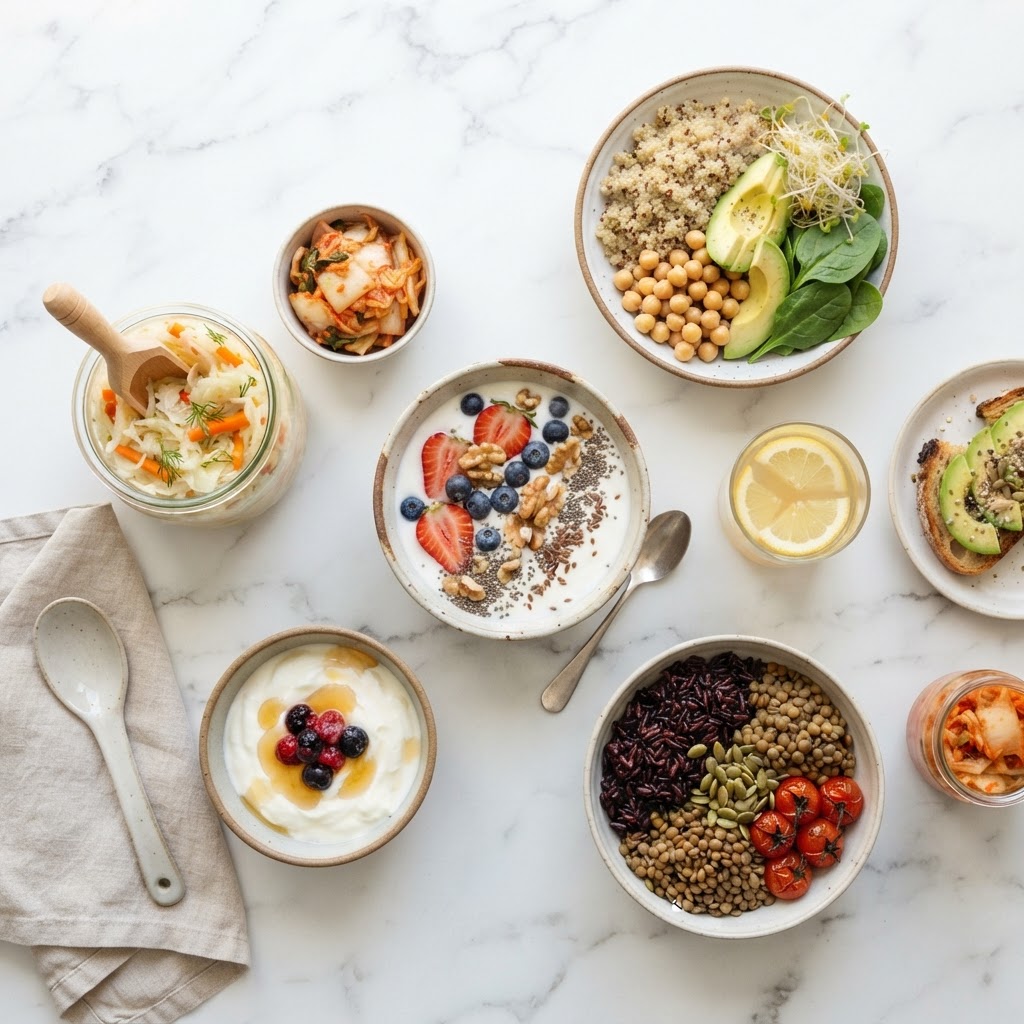
To start supporting your gut-brain axis, focus on increasing your intake of fibre-rich, Canadian-grown staples. Foods like oats, barley, lentils, flax, and chickpeas are excellent sources of soluble fibre, which helps maintain a healthy gut environment. Health Canada recommends that women aim for 25 grams of fibre per day, while men should target 38 grams. If you are looking to boost your intake, do so gradually to allow your digestive system to adjust. Incorporating more fruits and vegetables—such as raspberries and blackberries, which are packed with fibre—is a delicious way to meet these goals.
Beyond fibre, consider adding fermented foods to your daily routine. Yogurt, kefir, and kimchi are rich in probiotics, which introduce beneficial bacteria to your gut. These 'good' microbes play a crucial role in modulating inflammation and supporting the production of neurotransmitters like GABA, which helps promote relaxation. For those looking for a more targeted approach, prebiotics like galacto-oligosaccharides (GOS) have shown promise in clinical studies for reducing stress and anxiety in young adults by nourishing the beneficial bacteria already present in your system.
Nutrition is only one half of the equation. Because the gut-brain axis is so sensitive to stress, lifestyle interventions are equally important. Prioritizing stress management techniques—such as mindfulness, yoga, deep breathing, or simply spending time outdoors—can help shift your body from a 'fight or flight' state into a 'rest and digest' mode. This shift is essential for maintaining the integrity of your gut lining and ensuring that your microbiome remains diverse and resilient.
As we look toward the future of wellness, it is clear that mental health is not just a 'head' issue; it is a whole-body experience. By viewing your gut health as a key component of your mental clarity and emotional resilience, you can make more informed choices that support your overall well-being. Whether it is swapping a processed snack for a bowl of fibre-rich oats or taking five minutes for a mindful breathing exercise, these small, consistent changes can have a profound impact on how you feel, think, and thrive.
Comments (0)
Sign in to leave a comment
No comments yet. Be the first to comment!