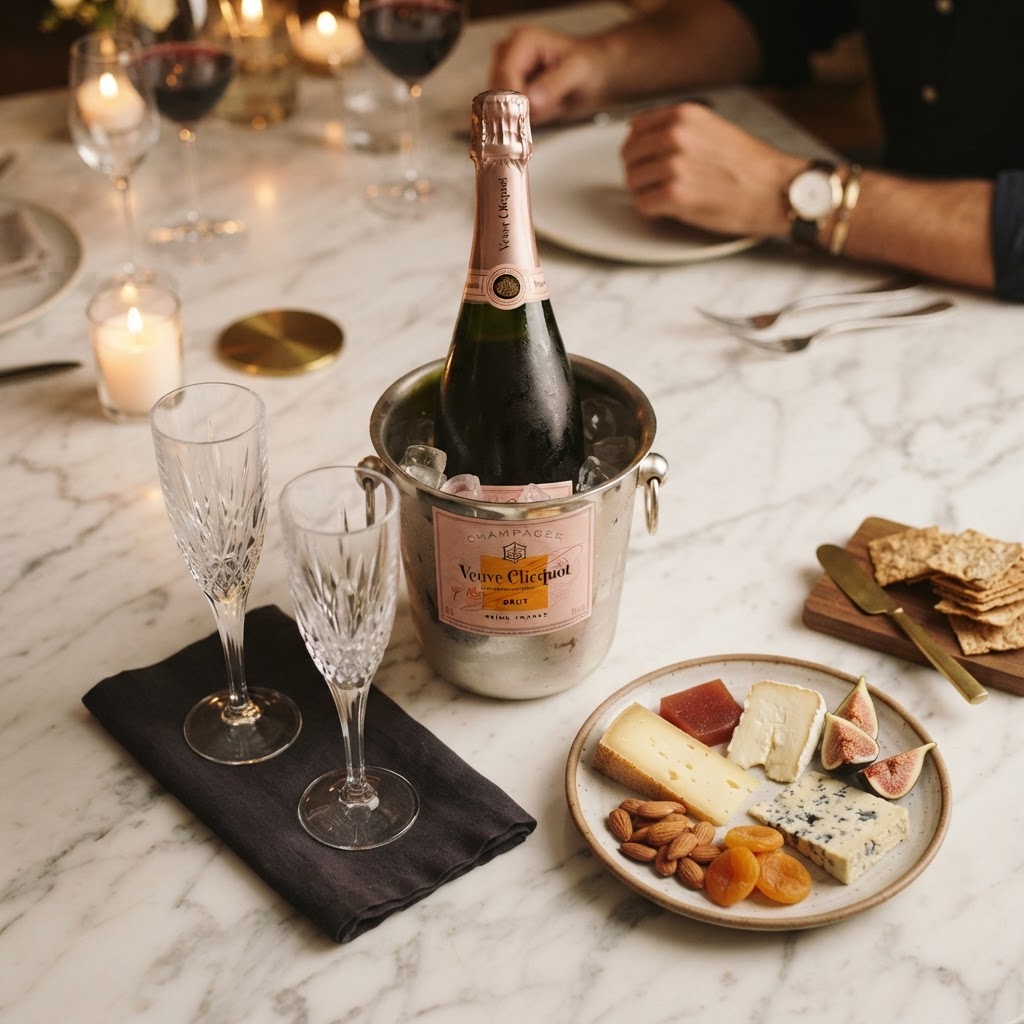
The Beginner’s Guide to Choosing Champagne with Confidence
There is something undeniably magical about the pop of a Champagne cork. Whether you are celebrating a milestone, hosting a dinner party, or simply elevating a Tuesday night, Champagne is the ultimate symbol of celebration. However, standing in the aisle of your local LCBO or private wine shop, the sheer number of labels can be intimidating. Between French terminology and complex classification systems, it is easy to feel overwhelmed. But fear not—choosing the right bottle is simpler than you think once you know how to decode the label.
Understanding the Sweetness Scale
The most important term to look for on any bottle is the 'dosage,' which refers to the sugar content added before the final corking. This determines how sweet or dry the wine will taste. If you prefer a crisp, refreshing glass, look for 'Brut' or 'Extra Brut.'
- Brut Nature / Zero: 0–3g/L of sugar. This is bone-dry and razor-sharp, perfect for those who love high acidity.
- Extra Brut: 0–6g/L. Crisp with just a whisper of softness.
- Brut: 0–12g/L. The gold standard for most Canadians. It is dry, balanced, and pairs beautifully with everything from salty appetizers to fried chicken.
- Extra Dry: 12–20g/L. Despite the name, this is actually slightly sweeter than Brut.
- Sec, Demi-Sec, and Doux: These range from medium-dry to lusciously sweet. These are best reserved for dessert pairings, such as fruit tarts or macarons.
Decoding the Style: Blanc de Blancs vs. Blanc de Noirs
Beyond sweetness, the label often tells you which grapes were used. Champagne is primarily made from three grapes: Chardonnay (white), and Pinot Noir and Pinot Meunier (black).
'Blanc de Blancs' translates to 'white of whites,' meaning the wine is made from 100% Chardonnay. These are typically elegant, citrusy, and mineral-forward. Conversely, 'Blanc de Noirs' means 'white of blacks,' produced exclusively from black grapes. These tend to be richer, more structured, and often feature red fruit notes. If you see a bottle labeled simply as 'Champagne' without these terms, it is likely a blend of all three, offering a harmonious balance of the house style.
Vintage vs. Non-Vintage
Most of the Champagne you will encounter is 'Non-Vintage' (NV). This is a blend of wines from multiple years, designed to maintain a consistent house style year after year. It is the perfect choice for everyday enjoyment. 'Vintage' Champagne, however, is produced only in exceptional years using grapes from a single harvest. These are aged longer, offering more complexity and depth—save these for your most significant celebrations.
Pro-Tips for Canadian Shoppers
When shopping in Canada, always check for the word 'Champagne' on the label. Because it is a protected designation of origin, if it doesn't say Champagne, it isn't from the region in France. Also, look for the producer initials on the label. 'NM' (Négociant Manipulant) usually refers to the large, famous houses, while 'RM' (Récoltant Manipulant) indicates a grower-producer, which can be a fantastic way to discover unique, smaller-batch wines.
Ultimately, the best Champagne is the one you enjoy most. Start by experimenting with a standard Brut to establish your baseline, and don't be afraid to ask your local wine merchant for their recommendation based on your preferred sweetness level. Cheers to your next great pour!
Comments (0)
Sign in to leave a comment
No comments yet. Be the first to comment!