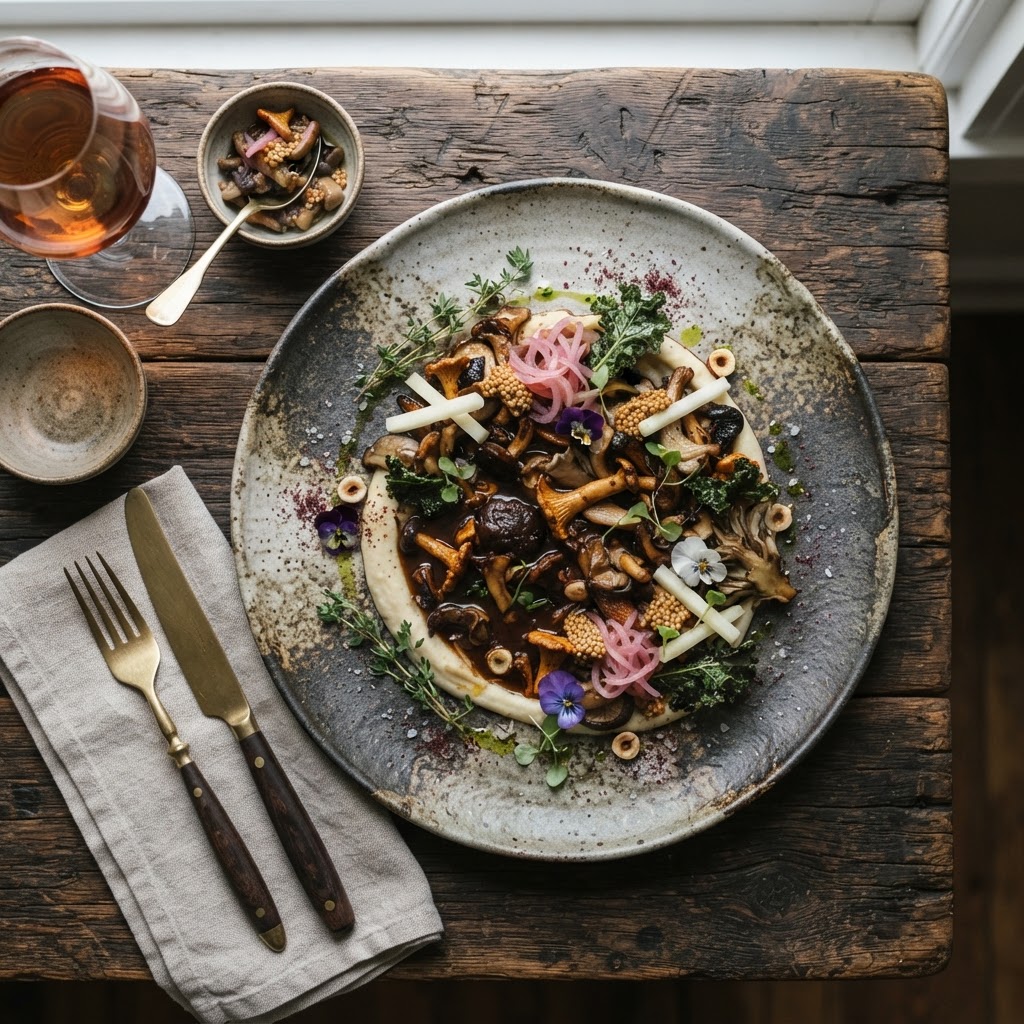
Foraging and Fermentation: The New Wave of Canadian Farm-to-Table Dining
Across Canada, a quiet revolution is taking place in our kitchens. From the rugged coastlines of British Columbia to the fertile fields of Ontario, a new generation of chefs is moving beyond traditional farm-to-table concepts. They are embracing the wild, untamed bounty of the Canadian landscape and pairing it with the transformative power of fermentation to create menus that are as sustainable as they are delicious. This shift represents a deeper connection to the land, turning the act of dining into a narrative of place and season.
Foraging: The Art of the Wild
Foraging is no longer just a hobby for the adventurous; it has become a cornerstone of modern Canadian fine dining. Chefs like Nick Nutting of Tofino’s Wolf in the Fog have long championed this approach, venturing into lush forests and winding shorelines to source ingredients that simply cannot be bought from a supplier. Whether it is hand-picked chanterelle mushrooms, wild lettuces, or gooseneck barnacles harvested from the coast, these ingredients provide a unique sense of terroir that defines the Canadian culinary identity.
This trend is about more than just novelty; it is about respect for the environment. By utilizing what is naturally available, chefs are reducing their reliance on industrial supply chains and highlighting the incredible diversity of Canada’s ecosystems. For the home cook, this trend encourages a closer look at your own backyard—or local farmers' market—to see what seasonal treasures might be waiting to be discovered.
Fermentation: Preserving the Season
If foraging is about capturing the moment, fermentation is about extending it. Inspired by global leaders like the Noma fermentation lab—which has seen significant influence from Canadian talent—local chefs are using techniques like lacto-fermentation, pickling, and koji-culturing to preserve the harvest. This allows restaurants to serve the essence of summer long into the harsh Canadian winter.
Fermentation adds a complex, umami-rich depth to dishes that fresh ingredients alone cannot achieve. It is a marriage of ancient tradition and modern innovation, turning humble vegetables into sophisticated components of a fine-dining plate. For Canadians, this is a practical solution to our short growing seasons, ensuring that local, sustainable food remains on the menu year-round.
Where to Experience the Trend
Canada is home to a growing number of restaurants that prioritize this hyper-local philosophy. In the Niagara region, establishments like Treadwell Cuisine and Trius Winery and Restaurant are celebrated for their commitment to seasonal, locally sourced ingredients. Similarly, Ag Inspired Cuisine in Niagara Falls takes the farm-to-table concept to the extreme, serving produce harvested from their own two-acre farm on the very same day.
These restaurants are not just serving food; they are participating in a broader movement toward food security and sustainability. By supporting these establishments, diners are helping to foster a resilient local food economy that values craftsmanship over convenience.
Actionable Insights for the Home Chef
You don't need a professional kitchen to embrace these trends. Start small by visiting your local farmers' market and asking about seasonal, foraged items like fiddleheads or wild berries. Experiment with simple fermentation at home—a basic sauerkraut or a quick-pickled vegetable can elevate your weeknight meals and introduce you to the complex flavors that define this new wave of Canadian dining. By choosing products from companies that prioritize local sourcing, such as the Wild Canadian Food Co., you can bring that same spirit of Canadian craftsmanship into your own kitchen.
As we look to the future, the intersection of foraging and fermentation will continue to shape how we eat. It is a celebration of our natural resources and a testament to the creativity of our chefs, proving that the most exciting food in the world is often found right in our own backyard.
Comments (0)
Sign in to leave a comment
No comments yet. Be the first to comment!