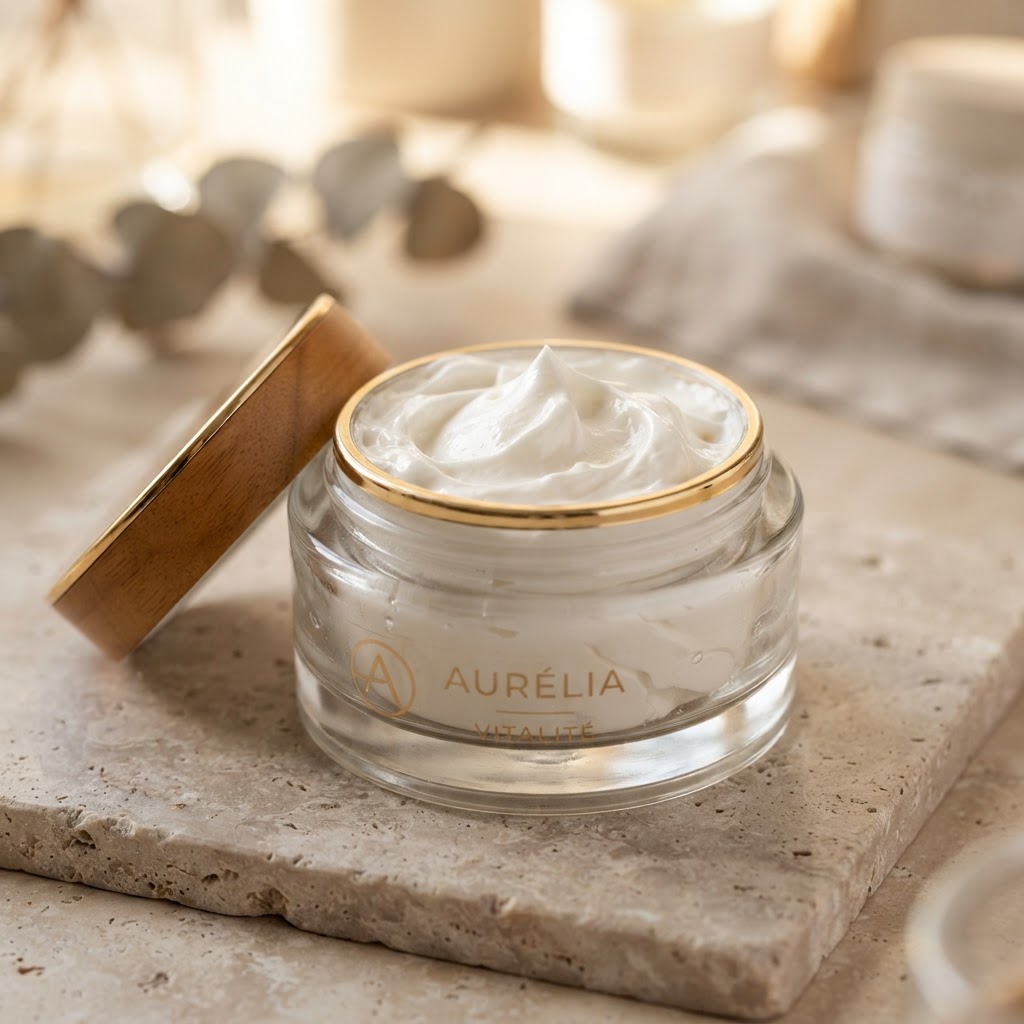
The Ancestral Skincare Trend: Is Beef Tallow the Secret to Barrier Repair?
In the ever-evolving world of beauty, trends often cycle back to the past. The latest phenomenon sweeping social media is the resurgence of beef tallow—a traditional, animal-derived fat that is being touted as the ultimate solution for everything from dry, flaky skin to stubborn eczema. For Canadians facing the harsh, moisture-zapping reality of our long winters, the promise of a 'miracle' barrier-repairing balm is undeniably tempting. But before you swap your dermatologist-recommended moisturizer for a jar of rendered fat, it is time to separate the ancestral hype from the dermatological reality.
What is the Beef Tallow Trend?
Beef tallow is essentially rendered fat from cattle, typically sourced from the fat surrounding the organs. Proponents of the trend argue that because tallow is rich in fatty acids and vitamins A, D, E, and K, it mimics the natural oils found in human skin. The narrative suggests that because it is 'natural' and 'ancestral,' it is inherently safer and more effective than modern, lab-formulated skincare. On platforms like TikTok and Instagram, influencers claim it is the only product needed to achieve a glowing, resilient complexion.
The Dermatological Perspective: Proceed with Caution
While the idea of returning to simple, traditional ingredients is appealing, dermatologists urge caution. The primary concern is that 'natural' does not automatically equate to 'safe' or 'effective.' Unlike modern skincare products, which undergo rigorous testing for stability, pH balance, and microbial safety, many tallow products are produced in unregulated environments. Without proper preservatives, tallow can quickly become a breeding ground for bacteria, potentially leading to infections when applied to the face.
Furthermore, beef tallow is comedogenic, meaning it has a high likelihood of clogging pores. For those with oily or acne-prone skin, this can lead to breakouts and irritation. Dermatologists emphasize that while tallow may provide a heavy, occlusive layer that feels moisturizing for extremely dry skin, it lacks the refinement and customization of modern formulas designed to support the skin barrier without causing congestion.
The Risks of DIY and Unregulated Products
For Canadians looking to support their skin barrier, especially during the dry winter months, the temptation to make tallow balm at home or purchase it from small, unverified online sellers is high. However, rendering fat in a kitchen environment is rarely a sterile process. If the product is not properly processed and stored, it can go rancid, losing any potential benefits and introducing impurities to your skin. Additionally, because the FDA and similar regulatory bodies do not require pre-market approval for many of these cosmetic ingredients, there is significant variability in product quality.
Actionable Insights for Your Routine
If you are struggling with a compromised skin barrier, you don't necessarily need to turn to animal fats. Modern skincare offers highly effective, non-comedogenic alternatives that provide similar lipid-replenishing benefits. Look for products containing ceramides, squalane, or plant-based oils like jojoba or sunflower seed oil. These ingredients are designed to integrate into the skin's lipid matrix to support barrier function without the risk of clogging pores or bacterial contamination.
If you are still curious about tallow, treat it as a body moisturizer for non-acne-prone areas like cracked heels or elbows rather than a facial treatment. Always prioritize products from reputable brands that provide transparency regarding their sourcing, processing, and safety testing. If you have specific skin concerns like eczema or psoriasis, it is always best to consult with a board-certified dermatologist rather than relying on viral social media advice. Your skin is your body's largest organ—treat it with the science-backed care it deserves.
Comments (0)
Sign in to leave a comment
No comments yet. Be the first to comment!