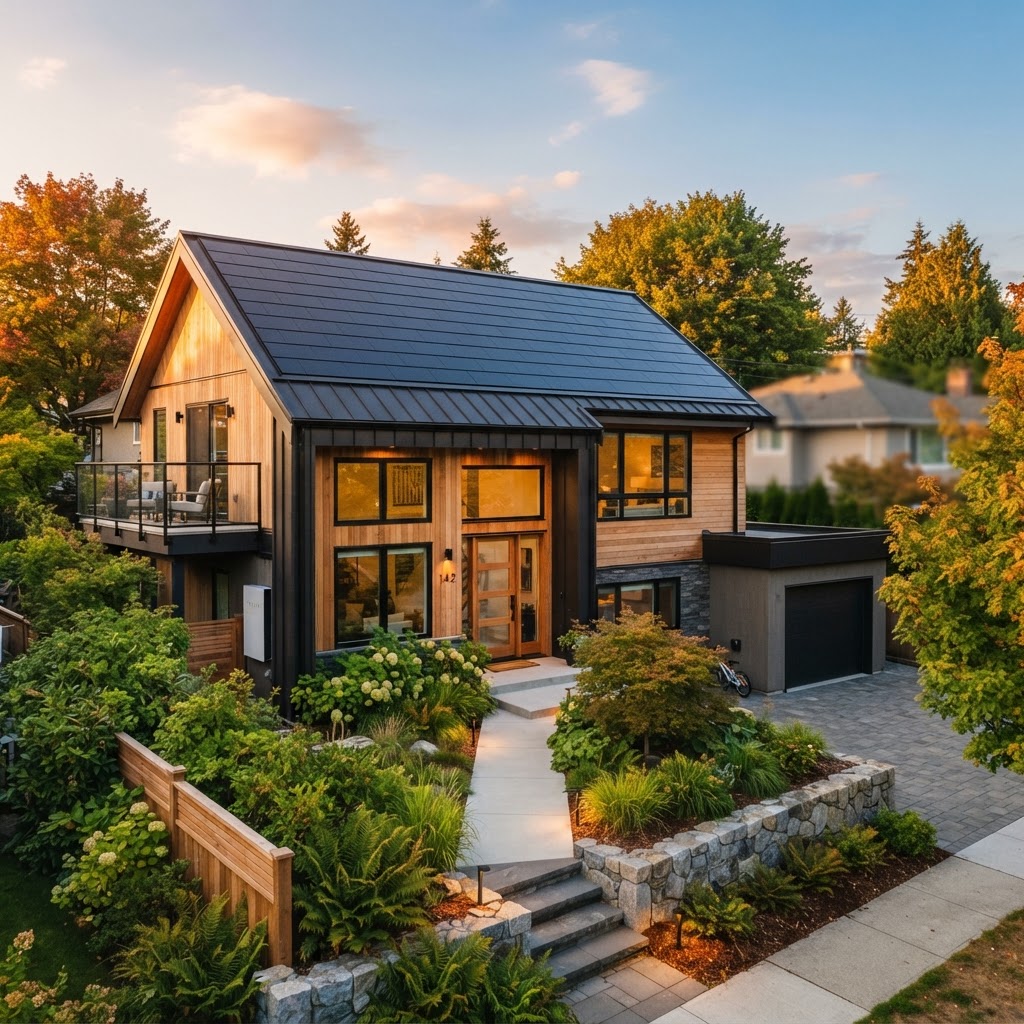
Solar Shingles: The Future of Sustainable Home Design
For years, the conversation around residential solar energy in Canada has been dominated by one image: bulky, blue-tinted panels bolted onto existing roof structures. While undeniably effective at lowering energy bills, these traditional systems often clash with the clean, intentional lines of modern home design. As Canadian homeowners increasingly prioritize both sustainability and curb appeal, a new solution is taking center stage: solar shingles. Also known as building-integrated photovoltaics (BIPV), these innovative tiles are redefining what it means to power a home sustainably without sacrificing style.
The Shift Toward Aesthetic Sustainability
Modern Canadian home design is currently undergoing a significant evolution. As we move into 2026, the trend of 'warm minimalism'—characterized by clean lines, natural materials, and a focus on biophilic design—has become a priority for homeowners. In this context, the visual impact of a home is just as important as its performance. Traditional solar panels, while functional, can often feel like an afterthought or an industrial addition to a carefully curated exterior. Solar shingles, by contrast, are designed to mimic the look of traditional roofing materials like slate or asphalt. They sit flush with the roofline, creating a seamless, sophisticated aesthetic that integrates perfectly with contemporary architecture.
How Solar Shingles Work
Solar shingles function as both a protective roofing material and a power-generating system. Unlike traditional panels that are mounted on top of a roof, solar shingles are installed as part of the roof itself. They work in tandem with your home’s existing structure to capture sunlight and convert it into electricity, all while shielding your interior from the harsh Canadian elements. This dual-purpose design is a game-changer for those building custom homes or undergoing major roof replacements, as it eliminates the need for separate mounting hardware and reduces the visual clutter associated with traditional solar arrays.
Is It the Right Choice for Your Canadian Home?
While the aesthetic benefits are clear, it is important to approach this investment with a realistic understanding of the market. Solar shingles are currently a premium product. Because they are a niche technology, they generally come with a higher price point than traditional panels, and finding specialized installers can sometimes be more challenging. However, for homeowners in heritage conservation areas where traditional panels may be restricted, or for those who simply refuse to compromise on the visual integrity of their home, solar shingles offer an unparalleled advantage.
Furthermore, the long-term financial picture is changing. With the support of programs like the Canada Greener Homes Loan, the initial investment is becoming more manageable for many families. When you factor in the potential for long-term energy savings and the increased resale value of a home equipped with high-end, integrated green technology, the 'form-meets-function' argument becomes very compelling.
Making the Move to Integrated Energy
If you are planning a major renovation or building a new custom home, now is the time to consider how your energy systems can align with your design vision. Start by consulting with architects and builders who specialize in green building practices. They can help you assess your roof’s orientation, pitch, and sun exposure to determine if your home is a good candidate for BIPV technology.
Ultimately, the future of sustainable home design in Canada is about creating spaces that perform reliably in our climate while reflecting our personal style. By choosing integrated solutions like solar shingles, you aren't just installing a power source—you are investing in a modern, efficient, and beautiful home that is built for the future.
Comments (0)
Sign in to leave a comment
No comments yet. Be the first to comment!