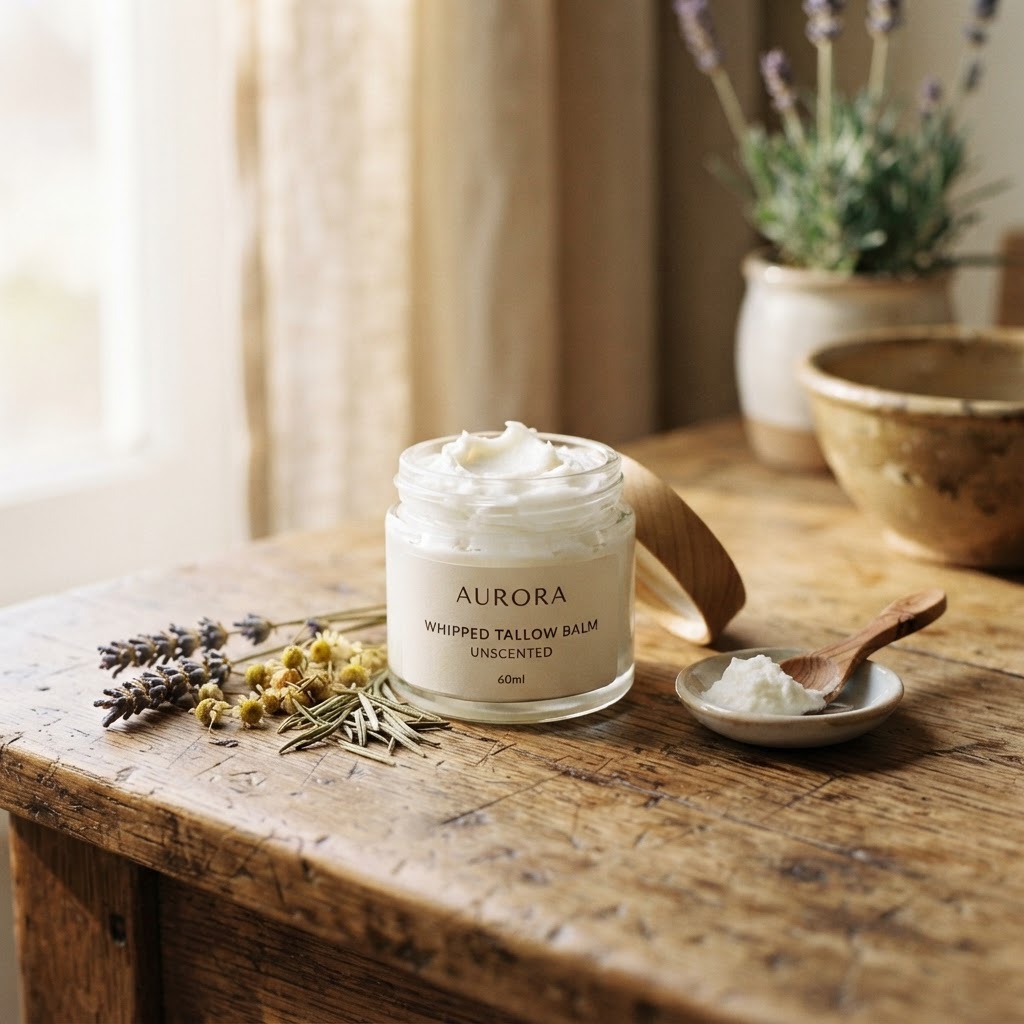
The Rise of Beef Tallow Skincare: Why Canadians Are Returning to Ancestral Beauty
In the vast, often overwhelming world of modern skincare, a surprising trend is making a comeback in Canadian households: beef tallow. Once a staple in our ancestors' pantries and medicine cabinets, this rendered animal fat is experiencing a resurgence as a minimalist, nutrient-dense alternative to synthetic moisturizers. For Canadians battling the harsh, dehydrating effects of our long winters, the promise of a natural, barrier-repairing balm is undeniably appealing. But is this viral trend truly the secret to glowing skin, or just another social media fad?
At its core, beef tallow is rendered fat from cattle. It is rich in fatty acids—such as oleic, palmitic, and stearic acid—that bear a striking resemblance to the natural oils, or sebum, produced by human skin. This biological similarity is the primary reason proponents claim it absorbs more effectively than many plant-based oils or synthetic lotions. For those suffering from tight, flaky, or irritated skin caused by cold Canadian air or over-exfoliation, tallow acts as an occlusive agent, sealing in moisture and providing a protective shield against the elements.
However, the beauty industry is rarely black and white. While the ancestral appeal of a single-ingredient moisturizer is strong, dermatologists urge caution. Because tallow is highly occlusive, it can be comedogenic, meaning it has the potential to clog pores. For individuals with oily or acne-prone skin, this 'film' that protects against the cold may also trap bacteria and oil, leading to unwanted breakouts. Furthermore, unlike lab-tested, standardized skincare products, the quality of tallow can vary significantly depending on the source—specifically the diet and health of the cattle from which it is derived.
If you are considering incorporating tallow into your routine, start by assessing your skin type. It is generally best suited for those with very dry or mature skin who need an extra layer of protection. If you have sensitive or acne-prone skin, it is wise to proceed with caution or consult a dermatologist first. When shopping, look for high-quality, grass-fed, and properly rendered tallow to ensure purity. Many Canadian artisans are now blending tallow with other natural ingredients like honey or beeswax to create balms that are easier to apply and offer additional soothing properties.
Ultimately, beef tallow is a powerful tool for barrier repair, but it is not a one-size-fits-all solution. It lacks the ceramides found in many clinically proven moisturizers and does not replace targeted treatments for specific concerns like dark spots or deep wrinkles. As with any skincare transition, listen to your skin. If you find it leaves your complexion feeling soft and hydrated without congestion, it may just be the ancestral secret your routine has been missing. If not, there is no shame in sticking to the science-backed, non-comedogenic staples that have served you well.
Comments (0)
Sign in to leave a comment
No comments yet. Be the first to comment!