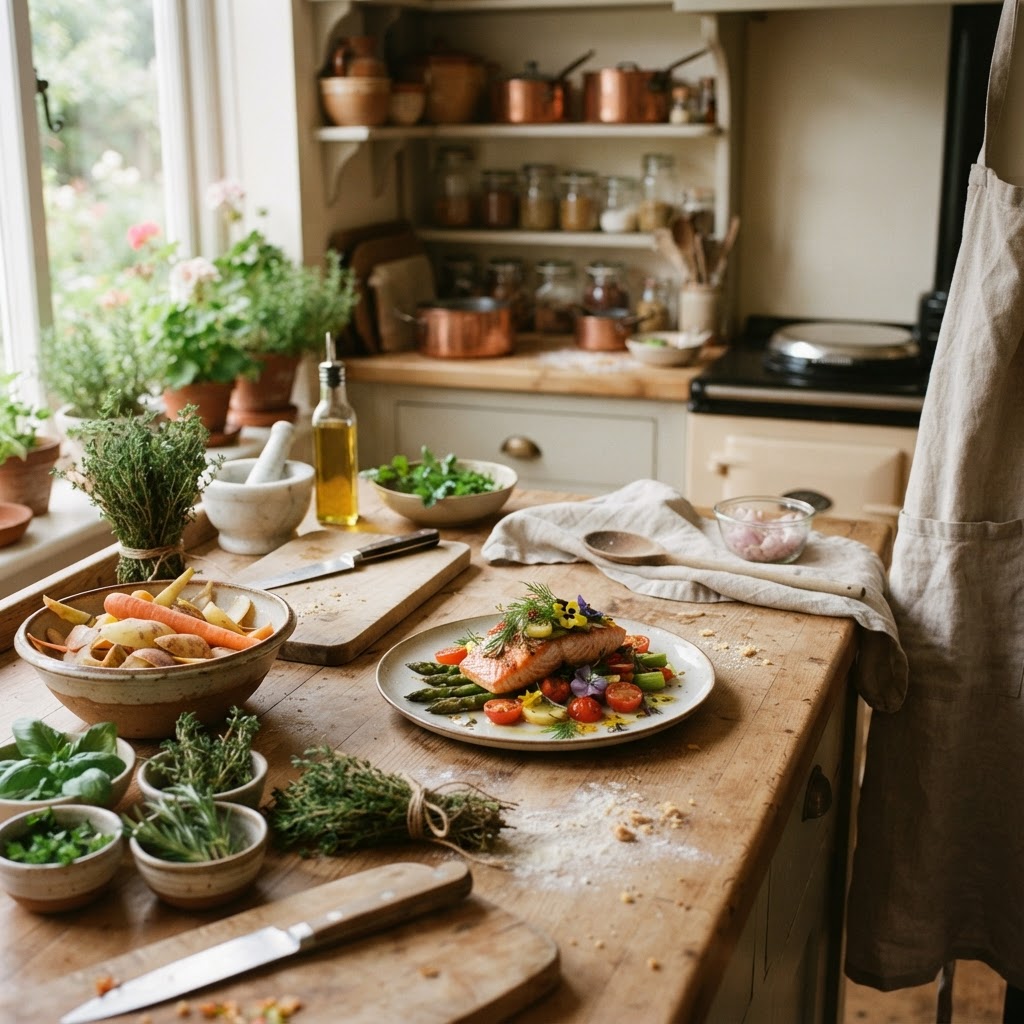
The Zero-Waste Pantry: How Canadian Chefs Are Reducing Food Waste at Home
In the modern Canadian kitchen, sustainability is no longer just a buzzword—it is a culinary movement. With Canadians wasting over 2.2 million tonnes of food annually, the pressure to adopt a more circular approach to our pantries has never been higher. Fortunately, some of the country’s most respected chefs are proving that what we often discard as 'scraps' are actually the building blocks of high-end, flavour-forward meals. By shifting our perspective, we can turn potential waste into a zero-waste masterpiece.
The Art of the Scrap Broth
One of the most accessible ways to embrace a zero-waste lifestyle is by mastering the 'scrap bag.' Instead of tossing onion ends, carrot peels, celery leaves, or mushroom stems into the compost, keep a dedicated freezer-safe bag or container in your freezer. Once full, these trimmings can be simmered with water, herbs, and a bay leaf to create a rich, complex vegetable stock. As many professional chefs note, this homemade base is far superior to store-bought alternatives, offering a depth of flavour that elevates soups, risottos, and braises instantly.
Rethinking 'Ugly' Produce
We have all been guilty of pushing a slightly wilted bunch of kale or a soft tomato to the back of the fridge, only to find it days later. Canadian culinary experts suggest a 'first-in, first-out' system, or even better, a 'front-and-center' rule. Place items that need to be used immediately at eye level in your refrigerator. If produce is past its prime for a salad, it is likely perfect for a transformation. Overripe tomatoes can be roasted into a concentrated sauce, while wilted greens can be sautéed with garlic and chili or blended into a vibrant pesto.
Creative Leftover Reimagining
Recent collaborations between industry leaders and organizations like the Circular Innovation Council have highlighted how even takeout leftovers can be reimagined. Rather than reheating a meal exactly as it arrived, consider the components. Leftover roasted vegetables can be folded into a frittata, while the remains of a protein-heavy dish can be shredded and repurposed into tacos, grain bowls, or a hearty shepherd's pie. The goal is to view every leftover as a 'pre-prepped' ingredient rather than a finished meal.
Pro-Tips for Longevity
Storage is the unsung hero of the zero-waste kitchen. Did you know that celery stays crisp longer when stored upright in a glass of water, much like a bouquet of flowers? Or that bananas should be kept away from other fruits to prevent premature ripening? By utilizing interactive storage guides and being mindful of how we organize our fridge, we can significantly extend the life of our groceries, saving both money and the environment.
Small Changes, Big Impact
Adopting a zero-waste pantry doesn't require a complete lifestyle overhaul overnight. Start small: save your Parmesan rinds to drop into simmering soups for an umami boost, or turn potato peels into crispy, seasoned snacks. By integrating these small, creative habits into your routine, you are not only reducing your environmental footprint but also becoming a more resourceful and intuitive home cook. In the spirit of Canadian innovation, let’s make 'waste' a thing of the past, one delicious meal at a time.
Comments (0)
Sign in to leave a comment
No comments yet. Be the first to comment!