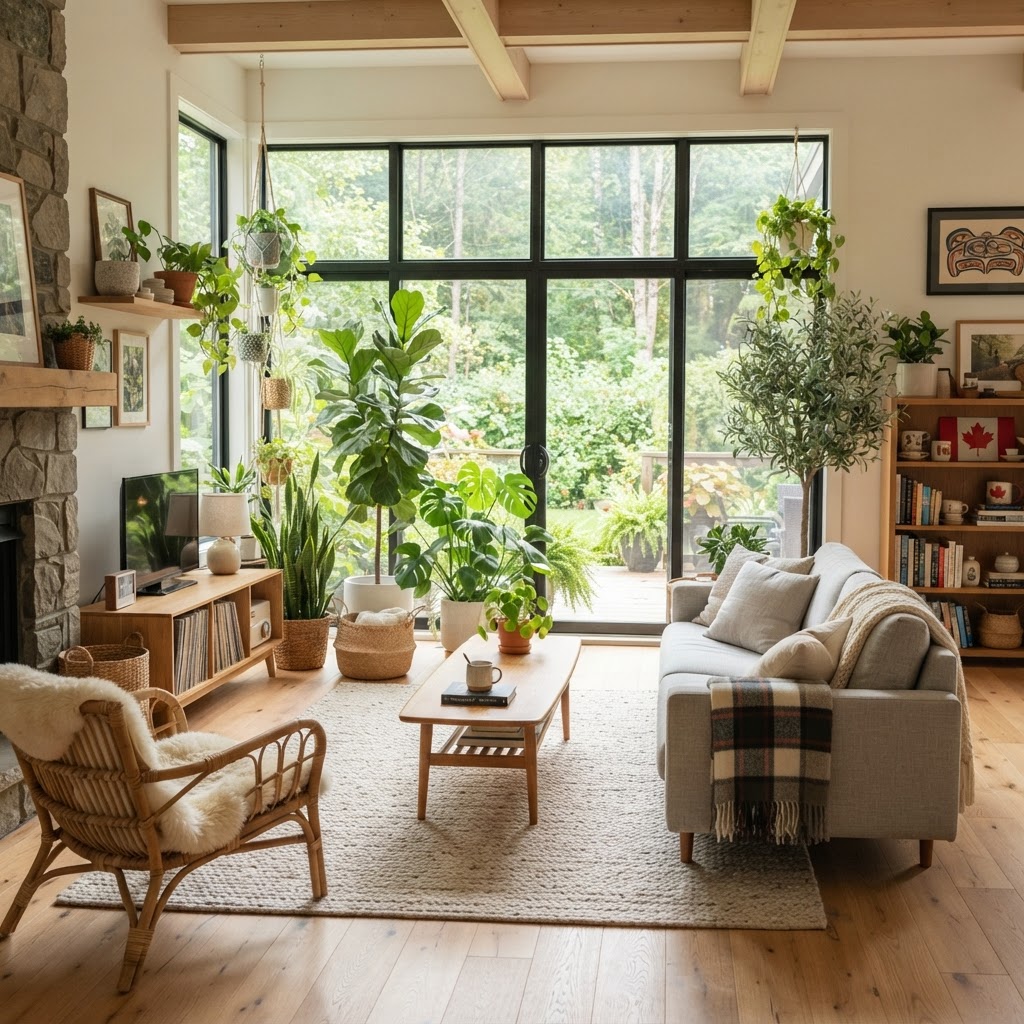
Biophilic Interior Design: Bringing the Canadian Wilderness Indoors
As Canadians, our connection to the great outdoors is woven into our national identity. From the rugged coastlines of the Maritimes to the towering forests of British Columbia, nature is never far from our minds. However, with our long, cold winters often forcing us to spend significant time indoors, it is essential to bring that natural vitality into our living spaces. Enter biophilic design—a movement that goes beyond mere aesthetics to prioritize our innate human need to connect with the natural world.
Biophilic design is more than just a trend; it is a philosophy that integrates natural materials, organic forms, and abundant daylight into our homes. Research suggests that incorporating these elements can significantly reduce stress, improve sleep quality, and boost overall mental well-being. For the modern Canadian homeowner, this means creating a sanctuary that feels grounded, breathable, and deeply connected to our unique landscape.
One of the most impactful ways to embrace this style is through the use of locally sourced materials. Canada is home to some of the world’s most beautiful and sustainable timber. Incorporating B.C.-grown Douglas-fir or Western Hemlock into your home—whether through custom cabinetry, flooring, or statement furniture—adds warmth and texture that synthetic materials simply cannot replicate. By choosing Canadian wood, you are not only supporting local craftsmanship but also ensuring your home features materials that are renewable and environmentally responsible.
Natural light is another cornerstone of the biophilic approach, particularly in a country where daylight hours fluctuate dramatically with the seasons. To maximize your home's connection to the sky, consider window treatments that prioritize light filtration over total blockage. Ripple-fold drapery or roller shades can help you control glare while maintaining a clear view of the outdoors. If your home lacks large windows, consider adding skylights or using reflective surfaces and light-coloured walls to bounce natural light into darker corners, helping to regulate your circadian rhythm throughout the year.
No biophilic home is complete without greenery. Indoor plants act as natural air purifiers and provide a sense of tranquility that is hard to match. For those new to indoor gardening, start with low-maintenance native or hardy species that thrive in our indoor climates. Whether it is a vertical moss wall in your entryway or a collection of potted plants on a sunny windowsill, these living elements serve as a gentle reminder of the seasons. Caring for your plants can also become a mindful daily ritual, helping you slow down and stay present.
Finally, consider your colour palette. Ground your space in the hues of the Canadian wilderness: think mossy greens, slate greys, deep lake blues, and the warm, sandy tones of birch bark. By layering these organic colours with natural textures like wool, linen, and stone, you create a cohesive environment that feels like an extension of the landscape outside your door. Whether you are renovating a condo in Toronto or building a custom home in the Rockies, biophilic design offers a practical, beautiful path to a healthier, more balanced life at home.
Comments (0)
Sign in to leave a comment
No comments yet. Be the first to comment!