Zero-Waste Dining: Canada’s Top Culinary Spots Leading the Farm-to-Table Revolution
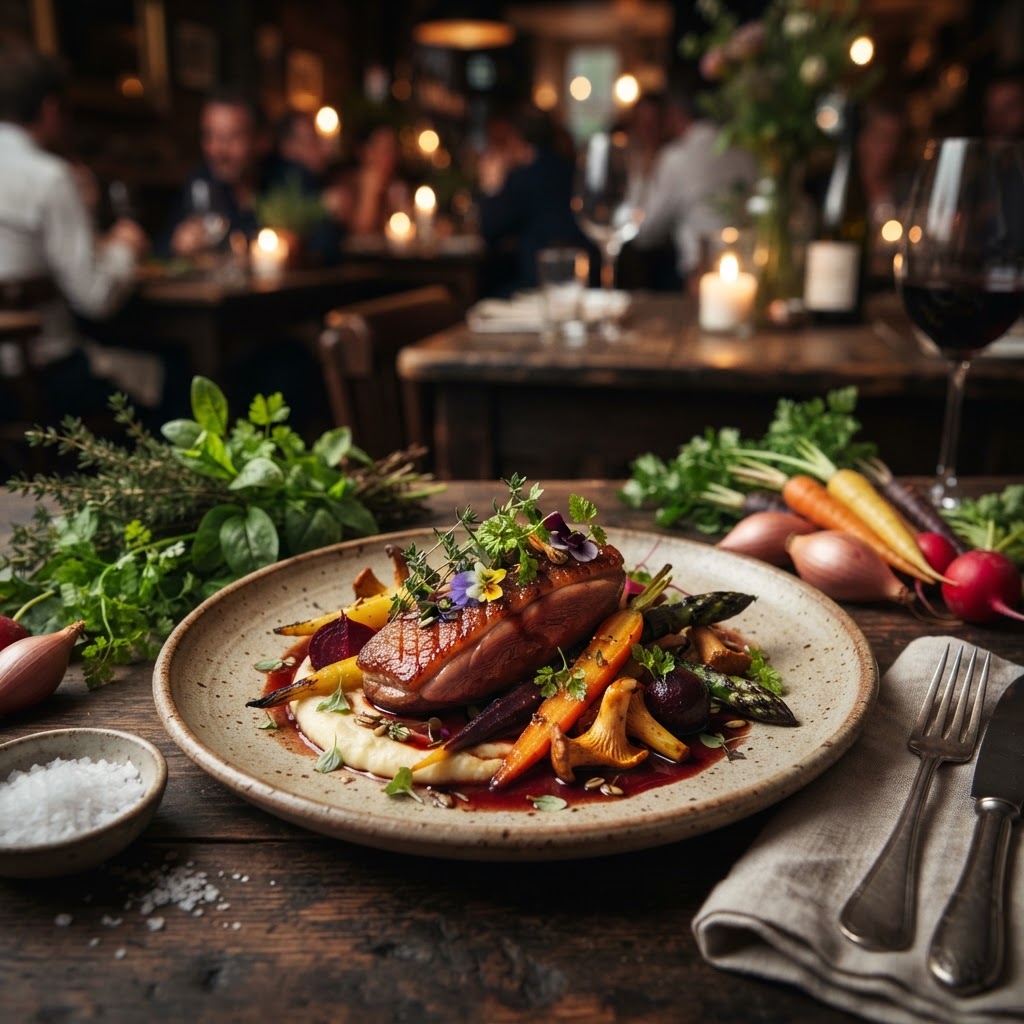
The Canadian culinary scene is undergoing a profound transformation. Gone are the days when fine dining was defined solely by imported delicacies and white-tablecloth formality. Today, the most exciting tables in the country are those that tell a story of the land, the season, and—most importantly—a commitment to the future. As sustainability moves from a buzzword to a business imperative, a new wave of Canadian restaurants is proving that zero-waste dining is not just an environmental necessity; it is a gateway to unparalleled culinary creativity. At the heart of this movement is a shift in perspective. Chefs are no longer viewing vegetable peels, animal bones, or fruit pits as waste. Instead, they are seeing them as untapped potential. By utilizing fermentation, dehydration, and whole-animal butchery, these kitchens are extracting layers of flavor that were previously discarded, creating dishes that are as complex as they are conscious. Leading the charge in Toronto is Ration: Beverley. Executive chef and founder Jef Edwards has made sustainability the main dish, utilizing foraging, fermentation, and direct partnerships with local producers like Forsythe Family Farms to highlight Ontario’s biodiversity. For Edwards, the goal is to bridge the gap between the diner and the Canadian landscape, proving that high-end gastronomy can be deeply rooted in local ecosystems. On the West Coast, Vancouver’s The Acorn has become a beacon for plant-forward, zero-waste excellence. Owner Shira Blustein and head chef Devon Latte have mastered the art of the 'culinary epiphany.' By transforming celeriac skins into fermented bases and turning kiwi skins into flavorful powders, they demonstrate that zero-waste is not about limitation—it is about innovation. Their approach proves that when you treat every ingredient with reverence, the result is a dining experience that feels both luxurious and responsible. The movement extends across the prairies as well. In Saskatoon, chef Christie Peters of Primal has long been a pioneer, hosting zero-waste dinners that celebrate everything from vegetable stems to butcher trimmings. Meanwhile, in Edmonton, The Butternut Tree continues to impress by showcasing the diverse bounty of Alberta through seasonal, locally sourced tasting menus that honor the connection between the farm and the plate. For the modern Canadian diner, supporting these establishments is an act of advocacy. When you choose to dine at a zero-waste restaurant, you are voting for a food system that values transparency, labor, and the environment. While these meals may carry a premium price tag, that cost reflects the intensive labor and creative planning required to turn scraps into treasure. It is an investment in a more resilient culinary future. If you are looking to support this revolution, start by looking for restaurants that prioritize seasonal, local sourcing and transparent kitchen practices. Ask questions about where the ingredients come from and how the kitchen manages its waste. By shifting our focus from the final plate to the entire lifecycle of our food, we can all play a part in ensuring that Canada’s culinary future remains as vibrant and sustainable as the land itself.
Comments (0)
Sign in to leave a comment
No comments yet. Be the first to comment!