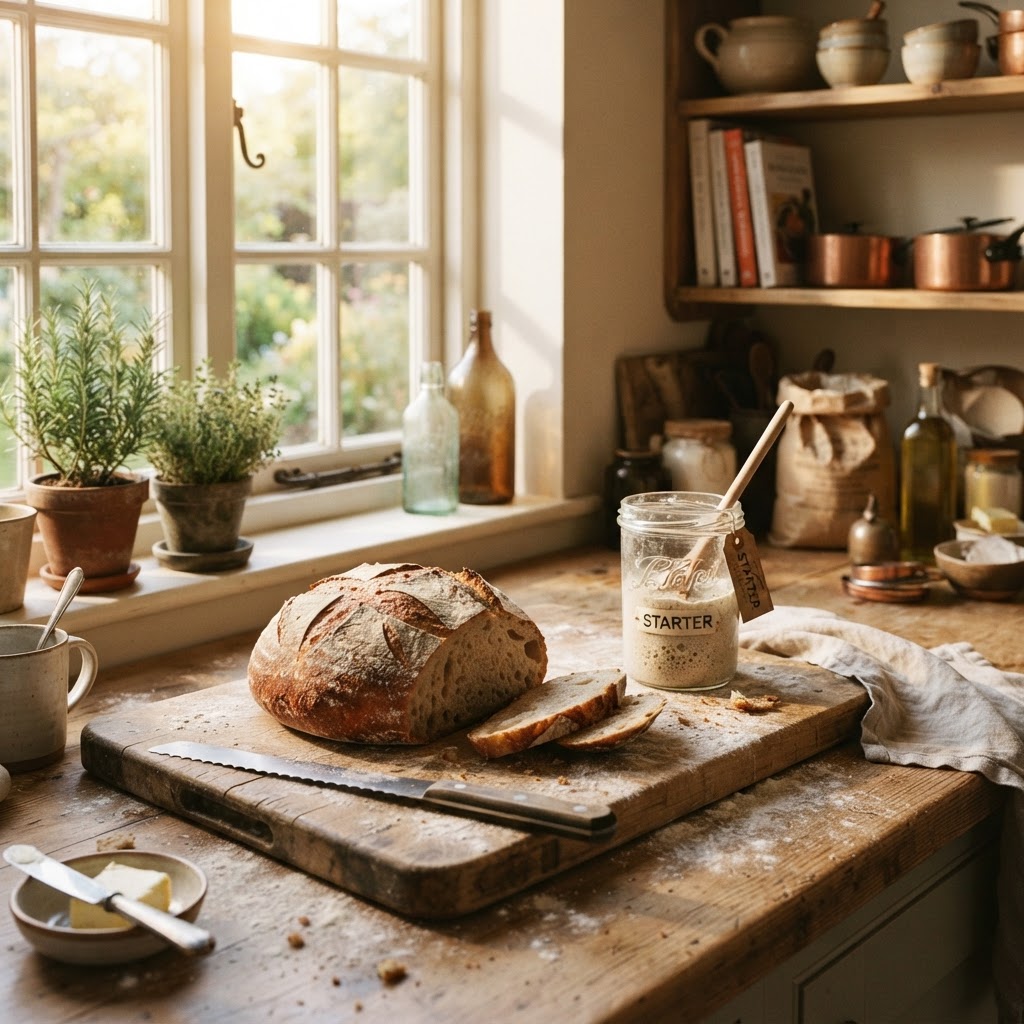
Micro-Sourdough & Artisan Flours: Why Home Baking is Seeing a Modern Resurgence
The sourdough craze that swept through Canadian kitchens during the 2020 lockdowns was initially dismissed by many as a fleeting pandemic pastime. Yet, years later, the flour dust has settled, and a more sophisticated movement has emerged. For the modern Canadian home baker, sourdough has evolved from a survivalist hobby into a refined lifestyle practice, one that prioritizes gut health, sustainability, and a deep connection to our local agricultural roots. This is the era of 'micro-sourdough'—a shift toward intentional, small-batch baking that celebrates quality over quantity.
At the heart of this resurgence is a growing consumer awareness regarding what goes into our daily bread. Canadians are increasingly looking past the supermarket aisle, seeking out 'clean-label' ingredients and functional benefits. Sourdough, with its long fermentation process, is naturally prized for its lower glycemic index and improved digestibility, making it a staple for those focused on wellness. But the real secret to the modern loaf isn't just the starter; it is the flour itself.
We are witnessing a significant pivot toward ancient and heritage grains. Varieties like Red Fife, einkorn, and spelt are finding their way into home pantries, replacing highly processed, roller-milled white flours. These grains, often stone-ground by local Canadian mills, retain the germ and bran, offering a depth of flavour and nutritional profile that mass-produced alternatives simply cannot match. By choosing stone-ground flour, bakers are not only enhancing the texture and complexity of their crusts but also supporting a regional grain economy that values soil health and biodiversity.
For those looking to get started, the barrier to entry has never been lower, thanks to a robust network of Canadian producers. From British Columbia’s Anita’s Organic Mill to Ontario’s K2 Milling and Quebec’s La Milanaise, there is a wealth of high-quality, organic, and heritage-focused flour available at our fingertips. Sourcing locally ensures that your flour is fresher, which directly impacts the vitality of your sourdough starter and the overall rise of your dough. When you buy from a local mill, you are often getting grain that was harvested and milled within the same season, preserving the volatile oils and nutrients that are lost in industrial processing.
So, how can you elevate your home baking practice? Start by treating your ingredients with the same care you would a fine wine or specialty coffee. Experiment with blending a small percentage of whole-grain rye or heritage wheat into your standard bread flour. This 'micro-adjustment' can transform a simple loaf into a nutrient-dense, flavour-forward masterpiece. Additionally, consider the 'micro-sourdough' approach: instead of baking massive quantities, focus on smaller, more frequent bakes that allow you to experiment with hydration levels and fermentation times without the pressure of a full-day production schedule.
As we look toward the future of food in Canada, it is clear that the kitchen remains a site of innovation. Whether you are a seasoned baker or a curious beginner, the shift toward artisan flours and traditional techniques is more than just a trend—it is a return to a more conscious way of living. By slowing down, sourcing locally, and prioritizing the health of our gut and our planet, we are not just baking bread; we are participating in a movement that values the integrity of every bite.
Comments (0)
Sign in to leave a comment
No comments yet. Be the first to comment!