The Rise of 'Agri-Tourism' Dining: Canada's Best Farm-to-Table Experiences
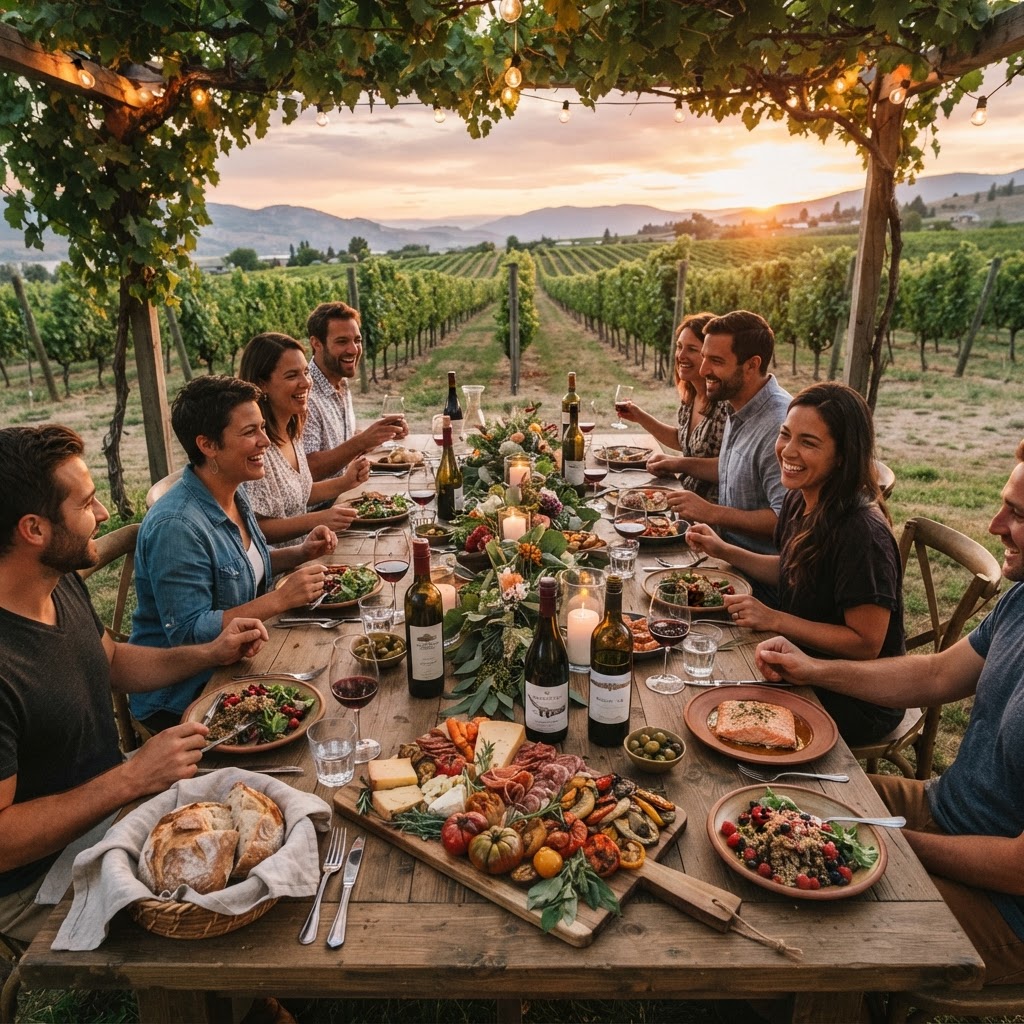
As the Canadian landscape shifts into the vibrant hues of late summer and early autumn, there is a palpable energy in the air. For food lovers, this is the golden hour—a time when the harvest is at its peak and the connection between the soil and the plate is more profound than ever. Welcome to the rise of 'agri-tourism' dining, a movement sweeping across Canada that invites us to step out of the city, slow down, and taste exactly where we are. Gone are the days when 'farm-to-table' was simply a buzzword on a metropolitan menu. Today, it is an immersive lifestyle. Canadians are increasingly seeking experiences that offer more than just a meal; they want a story, a connection to the land, and the transparency of knowing the farmer who grew their dinner. Whether it is a sun-drenched vineyard in British Columbia or a historic farmstead in the Maritimes, these destinations are redefining luxury through simplicity, seasonality, and sustainability. ### The Essence of Hyper-Local Dining What makes agri-tourism dining so compelling? It is the immediacy of the experience. When you dine at a farm restaurant, the ingredients are often harvested mere hours—or even minutes—before they reach your plate. This commitment to 'zero-kilometre' cuisine ensures peak freshness and nutrient density, but it also fosters a deep appreciation for the cycles of the Canadian climate. For the modern Canadian diner, this is the ultimate luxury. It is an escape from the frantic pace of digital life, offering a chance to reconnect with nature while indulging in world-class culinary craftsmanship. It’s about understanding the terroir of our regions—tasting the flinty minerality of a Niagara Riesling or the earthy richness of a root vegetable pulled from the fertile soil of the Prairies. ### Must-Visit Destinations for Your Culinary Bucket List If you are planning your next seasonal getaway, these Canadian gems offer the quintessential harvest experience. 1. The Okanagan Valley, British Columbia: Orofino Vineyards Nestled in the Similkameen Valley, often considered the organic capital of Canada, Orofino offers a masterclass in vineyard dining. Their onsite restaurant focuses on hyper-local ingredients that pair perfectly with their world-class wines. Dining here, surrounded by the rugged beauty of the valley, provides a sensory experience that grounds you in the terroir of BC. 2. Niagara-on-the-Lake, Ontario: Ravine Vineyard Estate Winery Ravine is the gold standard for farm-to-table dining in Ontario. This family-owned farm has been a fixture in the region for generations. Their restaurant celebrates the bounty of the Niagara Peninsula, utilizing their own organic gardens to create menus that change with the passing weeks. Sitting on their patio overlooking the vineyards while enjoying a glass of Chardonnay and farm-fresh produce is a non-negotiable summer experience. 3. Prince Edward Island: The Inn at Bay Fortune For a truly elevated experience, Chef Michael Smith’s 'FireWorks Feast' at The Inn at Bay Fortune is legendary. This is not just a meal; it is an immersive culinary event. Guests are invited to tour the farm, meet the producers, and watch as their dinner is prepared over massive wood-fired grills. It celebrates the rich agricultural and maritime heritage of the island in a way that feels both intimate and grand. ### How to Curate Your Own Agri-Tourism Escape Planning your own farm-to-table adventure requires a bit of strategy. First, always look for restaurants that prioritize 'closed-loop' systems—places that grow their own produce, raise their own animals, or maintain direct, long-term partnerships with nearby farmers. Second, travel with the season. Call ahead to inquire about what is being harvested that week. If it’s late summer, expect sun-ripened tomatoes and stone fruits; if it’s early autumn, look for squash, apples, and root vegetables. Finally, make it a weekend. The beauty of agri-tourism is the pace. Don’t just rush in for a dinner reservation; book a stay at the farm or a nearby boutique inn. Take the time to walk the fields, visit the farm store, and participate in a harvest workshop if offered. This is slow food in its truest form. ### The Future of Canadian Food As we look forward, the rise of agri-tourism is not just a trend—it is a necessary shift in how we relate to our food system. By choosing to dine at these establishments, we are supporting local economies, reducing our carbon footprint, and preserving the agricultural heritage of our regions. Canada’s culinary identity is being written in the soil of these farms and the vineyards of our valleys. So, this harvest season, go beyond the city lights. Pull up a chair at a communal table, raise a glass of local wine, and taste the incredible bounty that our country has to offer. You’ll leave not just with a full stomach, but with a renewed connection to the land beneath your feet.
Comments (0)
Sign in to leave a comment
No comments yet. Be the first to comment!