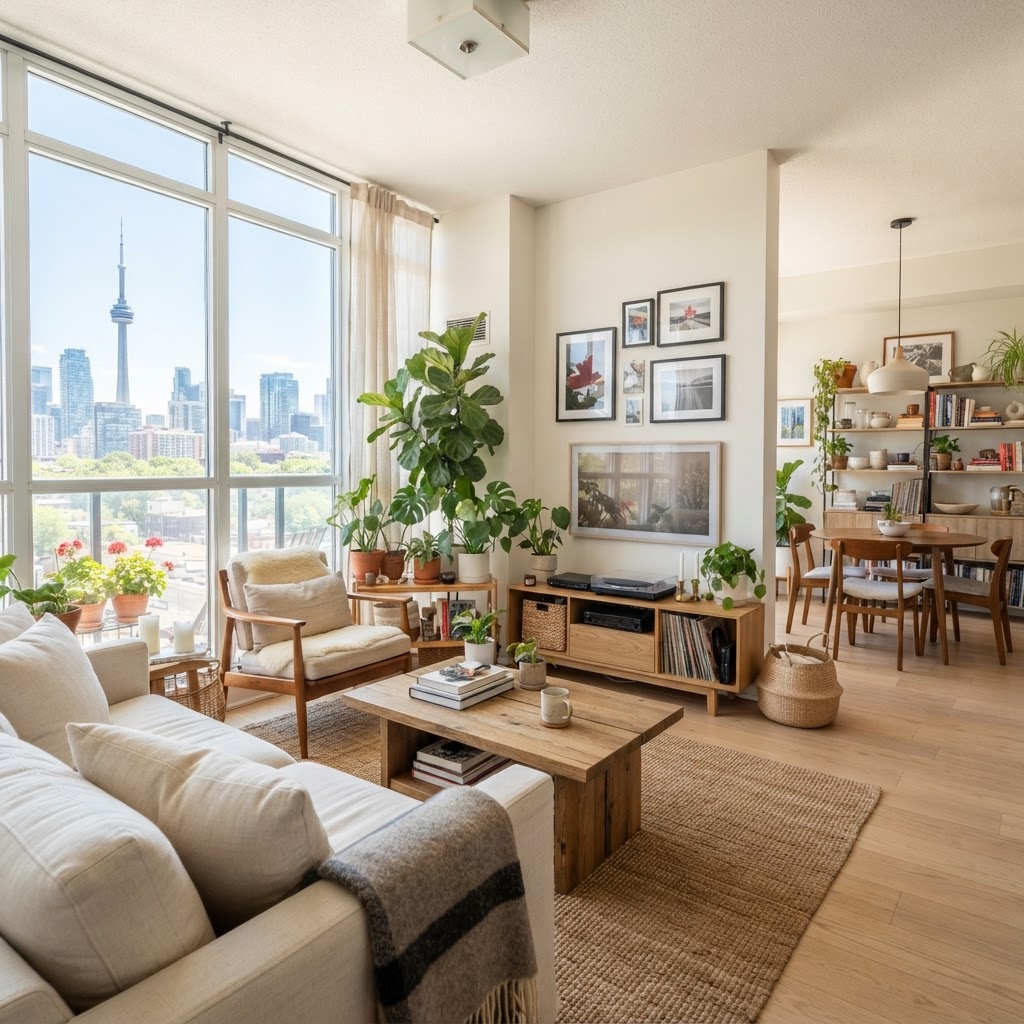
Biophilic Design: Bringing the Canadian Wilderness into Your Urban Apartment
As the Canadian seasons shift—whether it’s the crisp arrival of autumn or the long, grey stretch of late winter—many of us find ourselves retreating indoors. For those living in the heart of cities like Toronto, Vancouver, or Montreal, the concrete landscape can sometimes feel stifling. However, there is a design philosophy that offers a breath of fresh air: Biophilic Design. Biophilic design is more than just a trend; it is the practice of connecting our built environments with the natural world. By integrating natural light, vegetation, and organic textures into our homes, we can reduce stress, enhance creativity, and improve our overall mental wellness. Here is how you can transform your urban apartment into a personal refuge that echoes the untamed beauty of the Canadian wilderness. ### The Psychology of Nature at Home Research consistently shows that humans have an innate affinity for nature—a concept known as the 'biophilia hypothesis.' In a fast-paced urban environment, the absence of nature can lead to 'nature deficit disorder,' manifesting as increased anxiety and fatigue. By intentionally layering your home with elements that mimic the outdoors, you are essentially telling your nervous system that it is safe to rest. In Canada, our connection to the outdoors is part of our identity. Bringing that connection inside isn't just about aesthetics; it’s about maintaining a sense of balance when the temperature drops and we spend more time indoors. ### Layering Earthy Textures Start your biophilic journey by focusing on texture. The goal is to move away from cold, synthetic materials and toward surfaces that invite touch and warmth. Think of the rugged textures found in the Canadian Shield or the soft, mossy floor of a boreal forest. Incorporate raw wood furniture—a reclaimed cedar coffee table or a maple side table can act as a grounding centerpiece. Swap out synthetic throw blankets for materials like wool, organic cotton, or hemp. These tactile, earthy textiles add warmth during the colder months and create a sensory experience that feels inherently natural. ### Creating Your Own Indoor Forest You don't need a sprawling backyard to cultivate a forest. Apartment dwellers can utilize vertical space to create a lush, indoor sanctuary. If you are a beginner, start with 'low-maintenance' Canadian-friendly houseplants like Snake Plants (Sansevieria) or Pothos, which thrive even in our lower-light winter months. For a more immersive experience, consider a dedicated plant wall or a 'cluster' approach. Grouping plants together not only looks visually stunning but also creates a microclimate that increases local humidity—a much-needed relief when apartment heating systems dry out the air. Consider incorporating native-inspired greenery like ferns, which mimic the undergrowth of a Pacific Northwest forest. ### Bringing the Light In Lighting is the heartbeat of biophilic design. In Canada, our daylight hours fluctuate dramatically throughout the year. Maximize the natural light you have by using sheer curtains that diffuse light rather than blocking it. If your apartment lacks ample windows, invest in full-spectrum LED bulbs that mimic natural sunlight. This can be a game-changer for maintaining your mood and circadian rhythm during the darker winter months. ### Earthy Palettes and Natural Art Your color palette should be inspired by the landscape outside your window. Move away from stark whites and clinical greys. Instead, look to the muted greens of pine needles, the rich browns of tree bark, the soft greys of river stone, and the deep, moody blues of our northern lakes. Complement these colors with natural art. Instead of mass-produced prints, look for local Canadian artists who focus on landscape photography or abstract art inspired by our topography. Framing a large-scale photograph of a foggy Gatineau forest or the rugged Alberta Rockies can provide a powerful visual anchor that grounds your space in the Canadian experience. ### Wellness as a Lifestyle Ultimately, biophilic design is a tool for wellness. As you curate your home, ask yourself: 'Does this element bring me closer to the calm I feel when I am in nature?' By intentionally choosing furniture, lighting, and greenery that honor the natural world, you create more than just a beautifully decorated apartment. You create a sanctuary—a place where the stresses of urban life melt away, replaced by the quiet, enduring resilience of the Canadian wilderness. Start small, experiment with textures and light, and watch as your home becomes the ultimate restorative space, no matter what the weather is doing outside.
Comments (0)
Sign in to leave a comment
No comments yet. Be the first to comment!