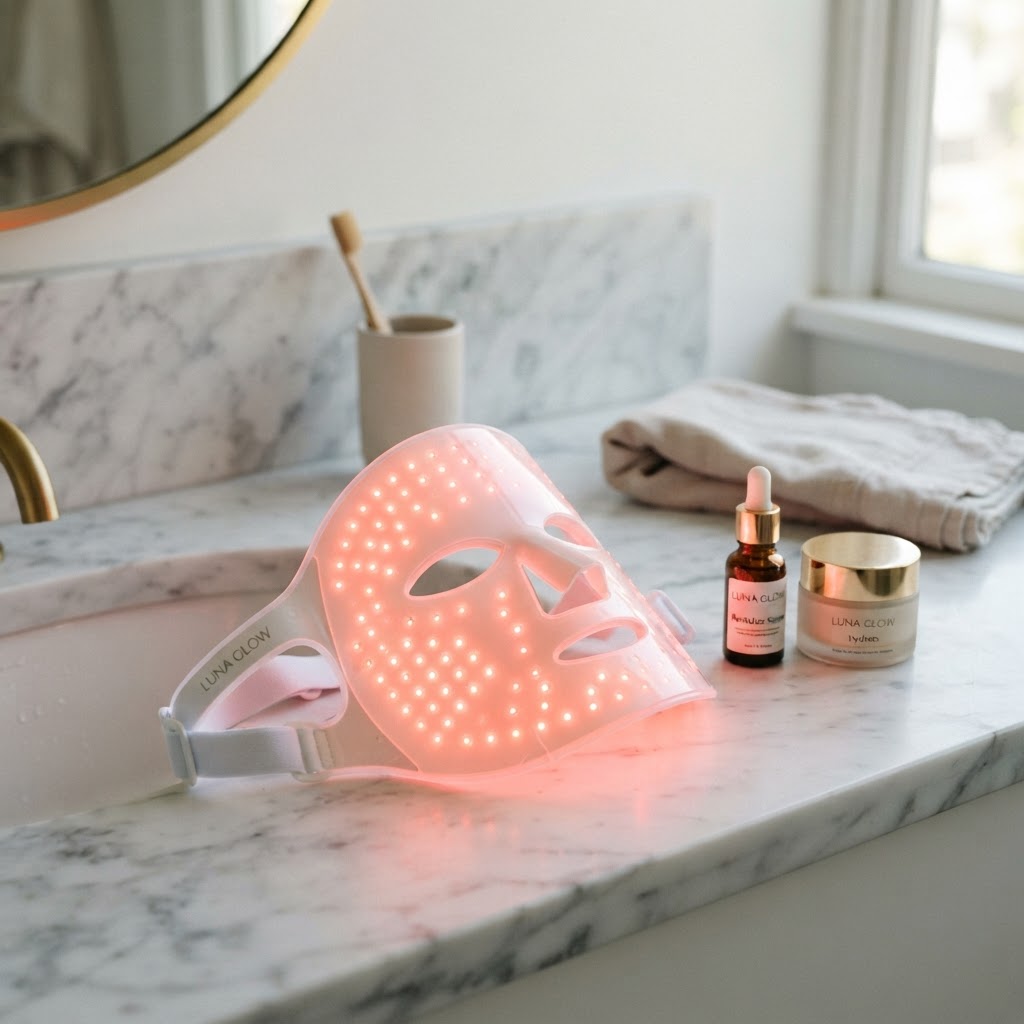
The Home Spa Revolution: Integrating LED Light Therapy into Your Routine
The landscape of Canadian beauty is undergoing a high-tech transformation. As we move through 2026, the 'home spa' is no longer just about scented candles and bubble baths; it is about bringing clinical-grade technology into our daily rituals. Leading this charge is the rise of LED light therapy masks, a non-invasive, science-backed method for skin rejuvenation that has moved from the dermatologist’s office directly to our vanity tables. Whether you are battling the harsh Canadian winter's effect on your skin or looking to boost collagen production, understanding how to harness light energy is the next frontier in personal wellness. At its core, LED light therapy works through phototherapy, utilizing specific wavelengths of light to stimulate cellular activity. When your skin absorbs this light energy, it triggers natural healing processes. Red light, for instance, penetrates the skin to reach fibroblasts—the cells responsible for collagen production—helping to smooth fine lines and improve firmness. Near-infrared light goes even deeper, supporting tissue repair and amplifying the rejuvenating effects of red light. For those dealing with breakouts, blue light therapy is a game-changer, as it interacts with acne-causing bacteria to neutralize them and reduce inflammation. Integrating these devices into your routine requires a strategic approach. For the best results, always begin with a clean, dry face to ensure maximum light penetration. Consistency is the secret ingredient; unlike a one-off facial, LED therapy relies on cumulative exposure. Most experts recommend starting with three to four sessions per week, adjusting based on how your skin responds. It is also an excellent time to pair your device with high-quality, hydrating serums, which can work in tandem with the light to lock in moisture and enhance your glow. However, it is vital to choose the right device for your specific skin needs. Not all masks are created equal; look for quality LEDs, consistent power output, and safety certifications. For those with melanin-rich skin, it is important to note that blue light can sometimes stimulate pigmentation. In such cases, many dermatologists recommend prioritizing red and near-infrared settings, or using blue light sparingly and under professional guidance. Always prioritize devices that offer a comfortable fit and even light distribution to ensure every part of your face receives the same level of care. As with any skincare investment, patience is key. While some notice an immediate 'plumpness' from increased circulation, the true benefits—such as improved texture and reduced fine lines—often become visible after several weeks of dedicated use. By treating your LED mask as a cornerstone of your wellness routine rather than a quick fix, you are investing in the long-term health and resilience of your skin. Embrace the 2026 home spa revolution and let the light work its magic.
Comments (0)
Sign in to leave a comment
No comments yet. Be the first to comment!