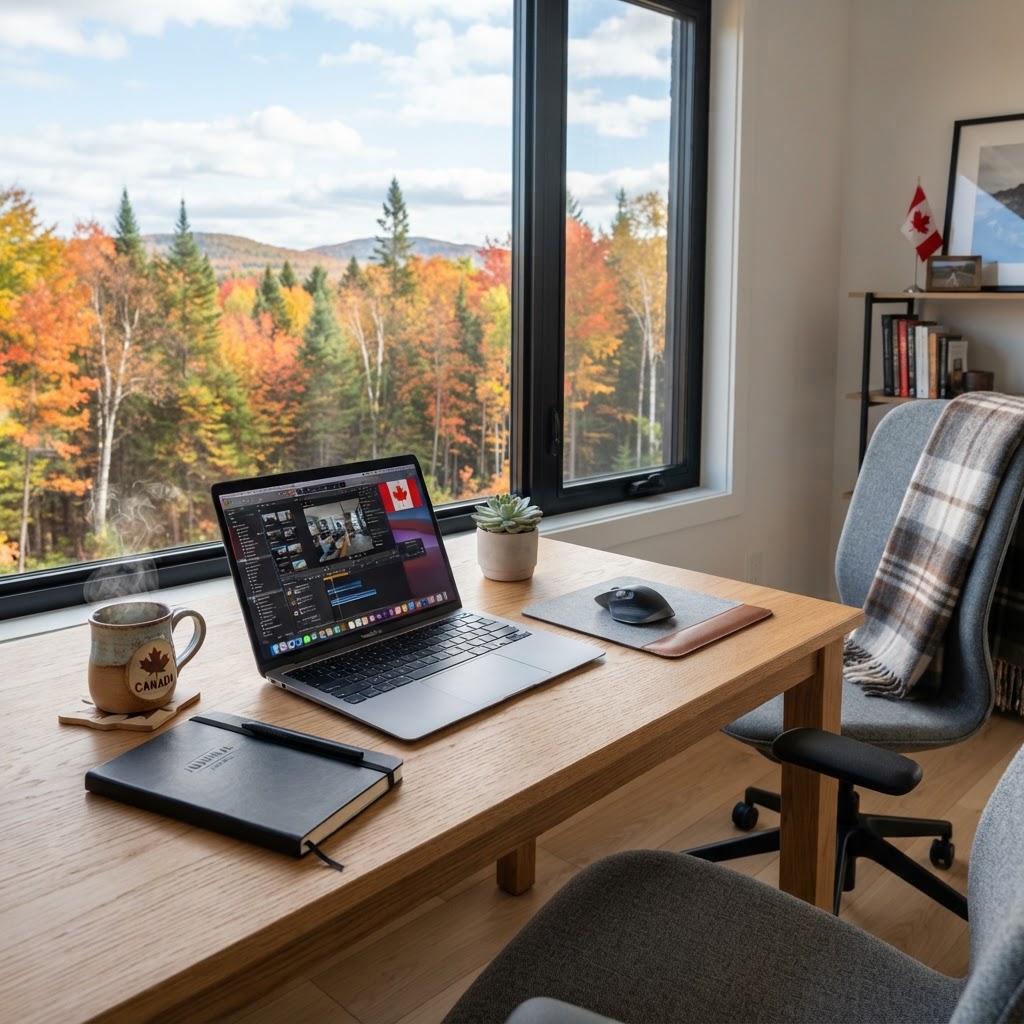
Navigating the New Era of Digital Nomadism in Canada
For Canadian entrepreneurs and freelancers, the traditional office is rapidly becoming a relic of the past. The rise of digital nomadism offers a compelling promise: the ability to earn in Canadian dollars while exploring the globe, or simply enjoying the flexibility of remote work from the comfort of a home office in Vancouver, Toronto, or beyond. However, transitioning to a full-time remote lifestyle requires more than just a laptop and a stable Wi-Fi connection; it demands strategic planning and a disciplined approach to business management.
Defining your nomad style is the crucial first step. Are you a 'fast traveler' who enjoys the high energy of hopping between countries, or are you a 'slomad'—someone who prefers planting roots in a city for several months at a time? Slow travel is often more sustainable for business owners, as it allows for the development of consistent routines, better local networking, and significantly reduced stress. By staying longer in one location, you can establish a reliable workspace and integrate into the local community, which is essential for maintaining productivity.
Financial and tax compliance remains the most significant hurdle for Canadians shifting to this model. Whether you are living abroad or working remotely within Canada, your tax obligations do not disappear. It is vital to determine your tax residency status—whether you are a factual resident, deemed resident, or non-resident. Engaging a cross-border tax specialist early on can save you from complex regulatory pitfalls, especially when dealing with foreign income, tax treaties, and multi-currency reporting. Remember, proactive financial planning is the foundation upon which your professional freedom is built.
To succeed as a remote entrepreneur, you must build a digital infrastructure that works for you, not against you. Avoid the trap of 'tool clutter' by selecting one reliable, core platform for each business function. For project management, tools like Asana or Trello help track progress across time zones. For communication, Slack remains the industry standard for team collaboration, while Calendly eliminates the back-and-forth of scheduling. Utilizing these tools effectively allows you to build a 'digital backbone' that keeps your operations running smoothly whether you are at a cafe in Montreal or a co-working space in Lisbon.
Maintaining a healthy work-life balance while working remotely is perhaps the greatest challenge of the digital nomad life. Without the physical separation of an office, it is easy for work to bleed into your personal time, leading to burnout. Create a clear, designated workspace—even if it is just a specific corner of your home or a consistent desk at a local library. Implement a rigid schedule that mirrors 'in-office' hours to define boundaries, and prioritize regular, short breaks to move your body and recharge your mind. Remember, you are your own boss, and building a sustainable business requires you to protect your energy as much as your time.
Ultimately, digital nomadism is a blend of personal discipline and professional agility. By standardizing your day, leveraging the right technology, and staying on top of your financial responsibilities, you can unlock a truly global career. The freedom to work from anywhere is a privilege, and with the right strategy, it is a sustainable path for any Canadian entrepreneur ready to embrace the future of work.
Comments (0)
Sign in to leave a comment
No comments yet. Be the first to comment!