Zero-Waste Travel Hacks for Exploring Canada’s National Parks
Canada’s national parks offer some of the most pristine wilderness on the planet, from the jagged, snow-capped peaks of Banff to the rugged, mist-covered coastlines of Gros Morne. As we embrace the quintessential Canadian road trip, our responsibility to protect these fragile ecosystems grows. Sustainable travel isn't just a trend; it is the ultimate way to show respect for the landscapes that define our national identity. By adopting zero-waste habits, you ensure that these trails and vistas remain untouched for generations to come.
The Eco-Friendly Packing List
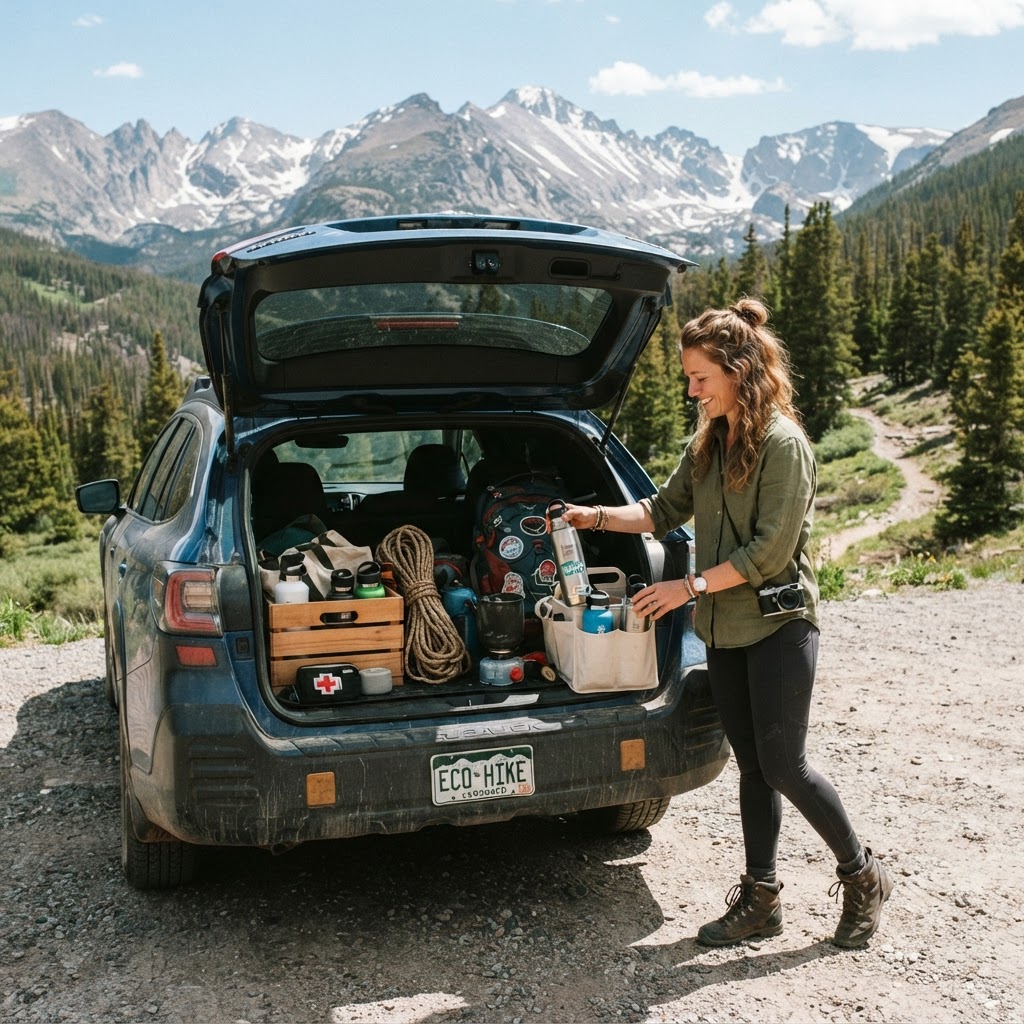
Transitioning to a zero-waste mindset starts long before you pull out of your driveway. The goal is to eliminate single-use plastics before they even enter your car. Start by auditing your "road trip kitchen." Instead of grabbing disposable cutlery or paper plates, invest in a durable, lightweight camping mess kit made from stainless steel or bamboo. For hydration, ditch the pack of plastic water bottles entirely. Canada’s national parks are home to some of the world’s cleanest water sources; invest in a high-quality, filtered water bottle like a LifeStraw or Grayl, which allows you to refill safely at backcountry streams or park taps.
When it comes to toiletries, swap liquid shampoos and body washes for solid bars. Not only do they save space in your luggage, but they also eliminate the risk of spills and the need for plastic bottles. Look for Canadian-made, biodegradable soaps that won’t harm the local watershed. Packing these in a reusable silicone pouch keeps your grooming kit lightweight, TSA-friendly, and completely plastic-free.
Mastering the Art of Low-Waste Road Tripping
Road trips across the Great White North often involve long stretches of highway with limited options for fresh, healthy food. This is where the temptation to rely on convenience stores—and their excess plastic packaging—is highest. The secret to a zero-waste road trip is meal prepping. Use glass jars or beeswax wraps to store homemade trail mix, dried fruit, and sandwiches. Beeswax wraps are a game-changer; they are breathable, reusable, and keep your local BC berries or Ontario peaches fresh much longer than plastic wrap.
If you do find yourself at a remote gas station or park kiosk, keep a "Zero-Waste Kit" in your glove box. This should include a reusable coffee mug, a set of bamboo utensils, and a cloth tote bag. Having these items within arm's reach prevents you from grabbing a plastic cup or a bag you don't need, making sustainability a reflex rather than a chore.
Leave No Trace: Beyond the Basics
Following Leave No Trace (LNT) principles is the cornerstone of sustainable park exploration. While most of us know to "pack it in, pack it out," true zero-waste travel takes it a step further. It means packing out more than you brought in. If you see litter left by others on a trail in Jasper or Bruce Peninsula, pick it up. A simple carabiner attached to your daypack can hold a small mesh bag dedicated to trail trash, making it easy to collect debris without getting your gear dirty.
Additionally, be mindful of where your waste goes after you leave the park. Canada’s recycling infrastructure varies significantly by province and municipality. What is recyclable in Toronto might not be in a remote community in the Yukon. Familiarize yourself with the local guidelines at your destination and aim to minimize your waste stream so that you aren't leaving the burden of your trash in a remote region that lacks adequate processing facilities.
Mindful Exploration and Ethical Style
Sustainable travel also extends to the gear we wear. Investing in high-quality, long-lasting outdoor apparel from Canadian brands that prioritize recycled materials reduces the cycle of "fast fashion" waste. When choosing clothing for hiking or camping, prioritize versatility. A moisture-wicking merino wool base layer can be worn for several days without needing a wash, reducing water consumption and energy usage during your trip. By packing smarter and choosing durable gear, you are actively participating in the circular economy.
As you traverse the Trans-Canada Highway this season, remember that your choices have a tangible impact. By reducing your reliance on single-use plastics and committing to the Leave No Trace ethic, you aren't just visiting Canada’s national parks—you are actively participating in their preservation. Let’s keep our wild spaces wild, one zero-waste mile at a time.
Comments (0)
Sign in to leave a comment
No comments yet. Be the first to comment!