Summer Foraging: Sustainable Wild Edibles to Find in Canada’s Forests
As the Canadian summer reaches its peak, our vast boreal forests and lush coastal trails transform into a gourmet pantry. Foraging is more than just a hobby; it is a profound way to reconnect with the landscape that defines us. Whether you are trekking through the temperate rainforests of British Columbia or wandering the mixed-wood forests of Ontario and Quebec, the wild offers unique flavors that no grocery store can replicate. However, with the rising interest in wild edibles, it is crucial that we approach the forest with respect, caution, and a commitment to sustainability.
Getting Started: The Golden Rule of Safety. Before you even head out with your basket, the most important rule of foraging is absolute identification. Never consume any wild plant or mushroom unless you are 100% certain of its identity. For beginners, it is highly recommended to join a local mycological society or a guided foraging workshop. These communities are vital for learning the nuanced differences between edible species and their poisonous look-alikes. Always carry a regional field guide specific to the Canadian ecosystem you are visiting.
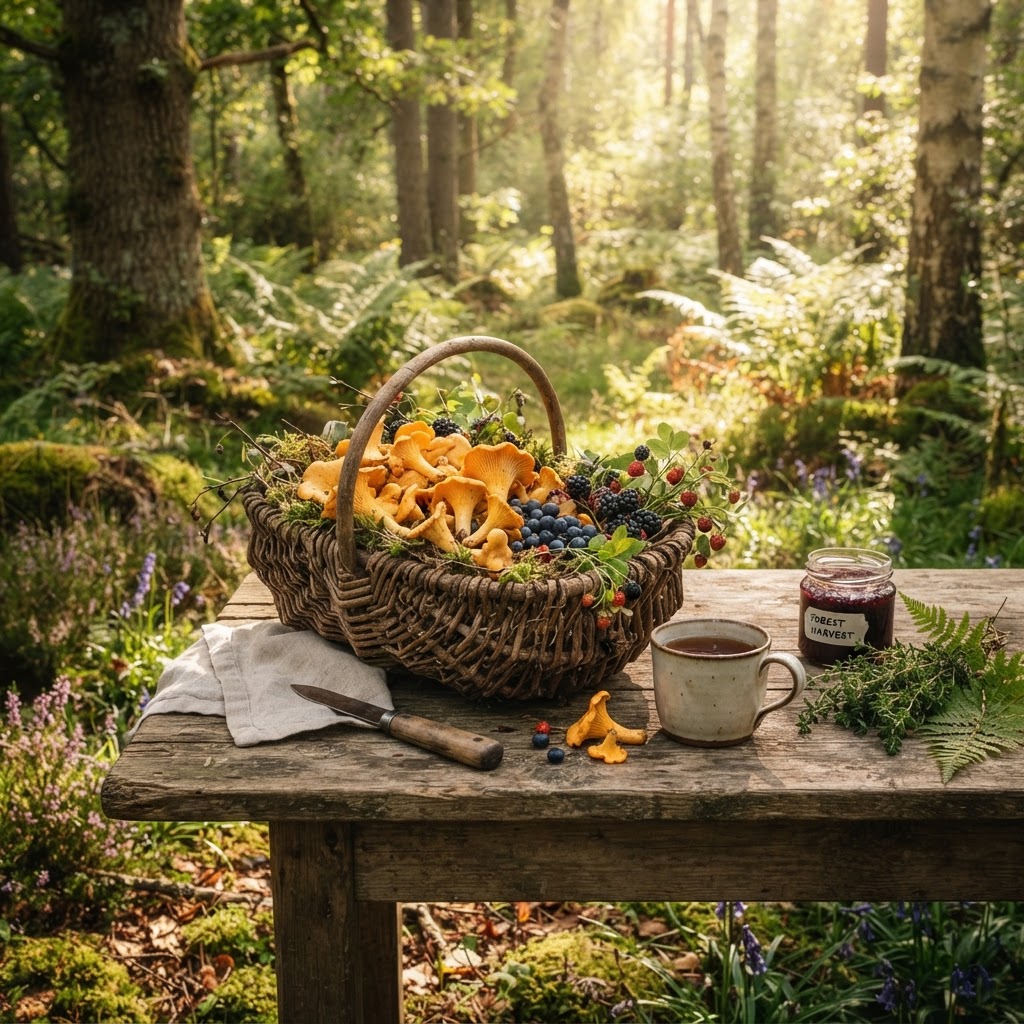
Chasing the Gold: Chanterelles and Summer Mushrooms. By mid-summer, Canadian forests begin to yield one of the most coveted prizes in the culinary world: the chanterelle. These trumpet-shaped, golden-yellow mushrooms have a distinct, slightly peppery flavor and a fruity aroma. Unlike many other fungi, chanterelles are mycorrhizal, meaning they grow in a symbiotic relationship with tree roots, often found near hemlock, spruce, or beech trees. When harvesting, use a sharp knife to cut the mushroom at the base rather than pulling it out by the roots. This preserves the mycelium network, ensuring that the fungi will return to the same spot for years to come.
Canada’s Wild Berry Bounty. Summer in Canada is synonymous with the ripening of wild berries. In the Maritime provinces and across the Canadian Shield, blueberries are the stars of the season. Look for low-bush blueberries in open, rocky areas where sunlight hits the forest floor. In the Pacific Northwest, keep an eye out for salmonberries and thimbleberries—delicate, vibrant fruits that are best enjoyed fresh on the trail. When picking berries, always remember to 'leave some for the forest.' Birds, bears, and small mammals depend on these fruits for their survival. A good rule of thumb is to take only what you will use within 24 hours and never strip a single bush bare.
Responsible Harvesting Practices. The ethos of the Canadian forager is grounded in stewardship. Sustainable harvesting is not just about what you take, but how you take it. Avoid foraging in areas with high foot traffic or near roadsides where pollutants may settle. Practice the '20 percent rule': never harvest more than 20 percent of a patch, ensuring that the remaining population has the capacity to reproduce and thrive. Furthermore, respect the land by staying on marked trails whenever possible and avoiding the destruction of surrounding vegetation. If you are in a protected park or a designated wildlife area, check local regulations, as foraging is prohibited in many national and provincial parks to preserve the ecosystem.
From Forest to Table. Once you have brought your harvest home, the culinary possibilities are endless. Chanterelles are best sautéed in a simple brown butter with fresh thyme and a touch of garlic, served atop a piece of crusty, artisanal sourdough. Wild blueberries are perfect folded into a light, airy pancake batter or simmered into a quick compote to accompany a Canadian game dish like venison. The key is simplicity; wild edibles have complex flavor profiles that shine brightest when they are not over-processed or over-seasoned.
Embracing the Season. Foraging invites us to slow down and observe the subtle changes in our environment. It teaches us about the seasonal rhythm of the Canadian wilderness and reminds us that we are guests in these forest homes. By harvesting responsibly and sharing our knowledge, we ensure that these wild spaces remain vibrant for future generations. So, pack your compass, grab your field guide, and step into the woods with curiosity and care. Your next gourmet experience is waiting just off the beaten path.
Comments (0)
Sign in to leave a comment
No comments yet. Be the first to comment!