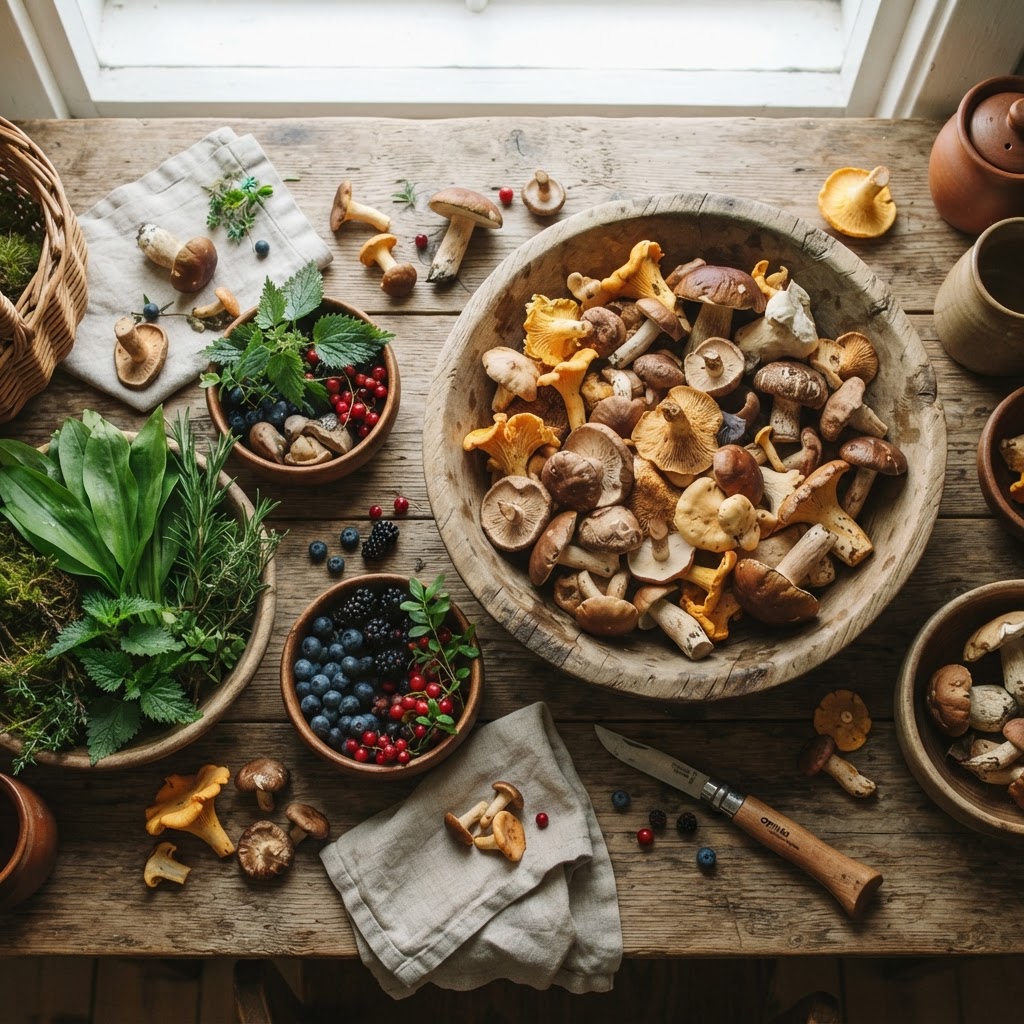
Summer Foraging: Sustainable Wild Edibles Across Canada
As the Canadian landscape shakes off the last vestiges of winter, a vibrant, edible bounty begins to emerge from our forests, meadows, and coastlines. For the modern Canadian foodie, foraging is more than just a hobby; it is a profound connection to the land and a masterclass in seasonal, sustainable cooking. Whether you are wandering the lush temperate rainforests of British Columbia or exploring the diverse woodlands of Ontario and the Maritimes, nature provides an exquisite pantry waiting to be unlocked.
Understanding Sustainability and Ethics
Before you head out with your foraging basket, it is essential to prioritize the 'Forager’s Code.' Sustainability is non-negotiable. Only harvest what you can positively identify, never take more than you need, and ensure that your presence does not disrupt local ecosystems. In Canada, many indigenous communities have practiced stewardship of the land for millennia; learning from these traditions—or simply respecting the growth cycles of plants like wild ramps or mushrooms—is part of the ethical foraging experience. Always check local regulations in provincial parks or conservation areas, as rules vary significantly across the country.
Fiddleheads: The Seasonal Herald
For many Canadians, the arrival of fiddleheads—the tightly coiled fronds of the Ostrich fern—marks the true beginning of spring and early summer. Predominantly found in the damp, shaded woodlands of Eastern Canada and Quebec, these green treasures offer a flavor profile somewhere between asparagus and spinach. When preparing them at home, remember that safety comes first: always boil or steam fiddleheads for at least 10 minutes before sautéing. Try them tossed in a brown butter sauce with a squeeze of fresh lemon and shaved parmesan for a sophisticated, rustic side dish that celebrates the Canadian terroir.
Chanterelles: The Forest’s Gold
As summer hits its peak, the forest floor transforms. In the Pacific Northwest and throughout the boreal regions, golden chanterelles begin to appear. These mushrooms are prized by chefs worldwide for their delicate, fruity aroma and firm, meaty texture. Unlike many other wild mushrooms, chanterelles are relatively easy to identify due to their distinct 'false gills.' When you bring them home, avoid washing them under running water, which can ruin their texture. Instead, gently brush off debris and sauté them in high-quality butter with shallots and thyme. They make an unparalleled addition to a creamy risotto or served atop a perfectly grilled piece of Canadian wild-caught salmon.
Wild Berries: Nature's Candy
Canada is arguably home to some of the world’s best wild berries. From the sweet, clustered Saskatoon berries of the Prairies to the tart wild blueberries found in the rugged landscapes of Newfoundland and Northern Ontario, the potential for culinary creativity is endless. These berries are not just for snacking; they bring a complex, acidic brightness to savory dishes. Consider a wild blueberry reduction to pair with venison, or incorporate Saskatoon berries into a fresh summer salad with goat cheese and toasted walnuts. The key to preserving their flavor is minimal intervention—these ingredients are already at their peak.
Bringing the Wild to Your Kitchen
Incorporating foraged ingredients into your home cooking doesn't require a professional kitchen. The beauty of these ingredients lies in their simplicity. Because they are harvested at peak ripeness, they require very little seasoning to shine. Start small by identifying one or two species in your local region and mastering their preparation. Join a local foraging walk or consult a regional field guide to build your confidence.
Foraging connects us to the Canadian seasons in a way that grocery store shopping never can. It teaches us patience, rewards us with unparalleled freshness, and encourages a deeper appreciation for the biodiversity right in our backyards. This summer, step outside, tread lightly, and bring a taste of the Canadian wilderness to your dining table.
Comments (0)
Sign in to leave a comment
No comments yet. Be the first to comment!