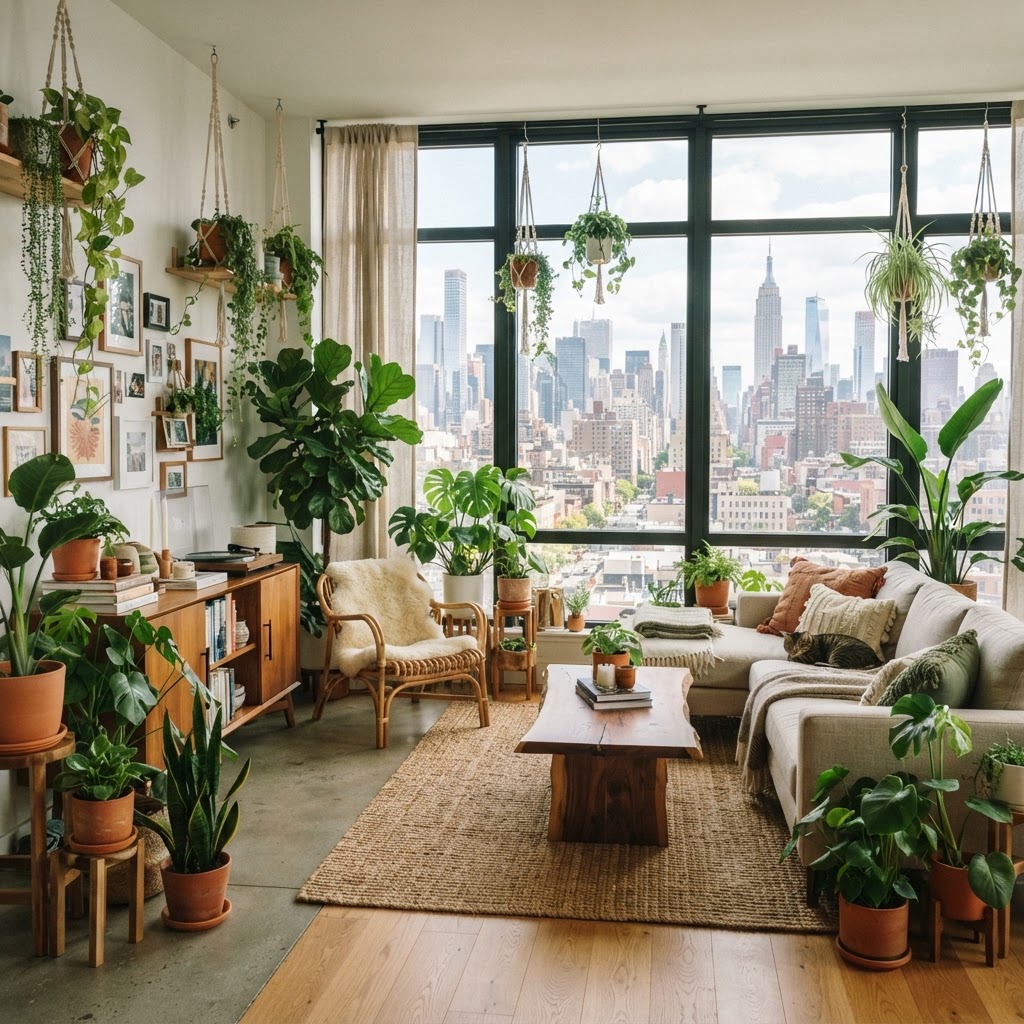
Biophilic Design: Bringing the Great Outdoors Into Your Condo
Living in a bustling Canadian urban center like Toronto, Vancouver, or Montreal offers incredible access to culture and career opportunities, but it often comes at the cost of a direct connection to nature. As our condo footprints shrink, the importance of our interior environment has never been greater. Enter biophilic design: an architectural and interior design framework that seeks to connect building occupants more closely to nature. By integrating natural light, plant life, and organic materials, you can transform your compact living space into a restorative sanctuary that improves your mental well-being and indoor air quality.
Maximize Natural Light in Compact Spaces
For many Canadians, particularly during the long winter months, maximizing natural light is the cornerstone of biophilic design. In smaller condos, light can feel like a luxury, but you can manipulate your environment to capture every available ray. Start by ditching heavy, light-blocking drapery in favor of sheer linen curtains that offer privacy while diffusing sunlight throughout your living area. If your space lacks large floor-to-ceiling windows, strategically place mirrors opposite your light sources. This simple trick bounces sunlight into darker corners, effectively doubling the perceived illumination of the room.
Curating Your Indoor Jungle
Integrating living plants is perhaps the most direct way to embrace biophilic principles. Beyond their aesthetic appeal, plants act as natural air purifiers, filtering out common household toxins. For the novice condo gardener, start with hardy varieties that thrive in varying Canadian indoor conditions. The Snake Plant and ZZ Plant are near-indestructible and perform well in lower-light corners. For sunnier windowsills, consider a trailing Pothos or a dramatic Fiddle Leaf Fig to add height and architectural interest. To save floor space, utilize vertical planters or wall-mounted shelving, turning your greenery into a living piece of art that breathes life into your unit.
Emphasizing Organic Textures and Earth Tones
Biophilic design isn't just about greenery; it’s about the tactile experience of materials. Replace cold, synthetic surfaces with organic alternatives that evoke the Canadian landscape. Think raw wood coffee tables, wool throw blankets, stone coasters, or rattan accents. These materials introduce natural patterns and textures that are scientifically proven to reduce stress levels. When selecting a color palette, look to the outdoors for inspiration: soft sage greens, warm terracottas, and deep slate blues create a grounded, calm atmosphere that balances the frantic pace of city living.
Creating a Sensory Retreat
The goal of biophilic design is to engage the senses to lower cortisol levels. Beyond the visual, consider the auditory and olfactory elements of your home. A small tabletop water feature can introduce the soothing sound of flowing water, effectively masking urban noise pollution. Complement this with scents derived from nature—cedarwood, pine, or eucalyptus essential oils can evoke the feeling of a West Coast forest walk or a trip to a Northern Ontario cabin, grounding you in your space even during the coldest January blizzards.
The Long-Term Wellness Benefit
Integrating these elements into your condo is more than just a decor trend; it is a commitment to your long-term health. Studies consistently show that exposure to nature, even in "simulated" forms like houseplants and natural materials, lowers heart rates and improves cognitive function. By turning your urban dwelling into a biophilic retreat, you are creating a resilient home environment that supports you through every season. Whether you have five hundred square feet or twelve hundred, bringing the outdoors in is the ultimate luxury for the modern Canadian resident.
Comments (0)
Sign in to leave a comment
No comments yet. Be the first to comment!