The 'Swavory' Renaissance: Why Your Next Dinner Party Needs This Flavor Combo
In the landscape of modern Canadian dining, we are seeing a bold shift away from one-note meals. Gone are the days when dinner was strictly savory and dessert was tucked away for the very end. Enter the 'swavory' renaissance, a culinary movement that masterfully balances the deep, umami-rich notes of savory dishes with the bright, lingering sweetness of honey, fruit, and caramel. For the home cook, this trend isn't just about sophistication; it is the ultimate shortcut to making simple ingredients taste like a restaurant-quality feast. Whether you are hosting an intimate gathering in a downtown Toronto loft or a casual weekend dinner in the suburbs, mastering the swavory profile is your secret weapon.
At its core, swavory cooking is about contrast. It challenges the palate, keeping guests engaged and excited with every bite. The science is simple: sweetness tames acidity and bitterness, while salt enhances the natural sugars in ingredients. By layering these profiles, you create a complex depth that makes even the most basic proteins and vegetables sing. For Canadians, who are increasingly embracing global pantry staples like miso and gochujang alongside local produce, the swavory trend is remarkably easy to integrate into your existing repertoire.
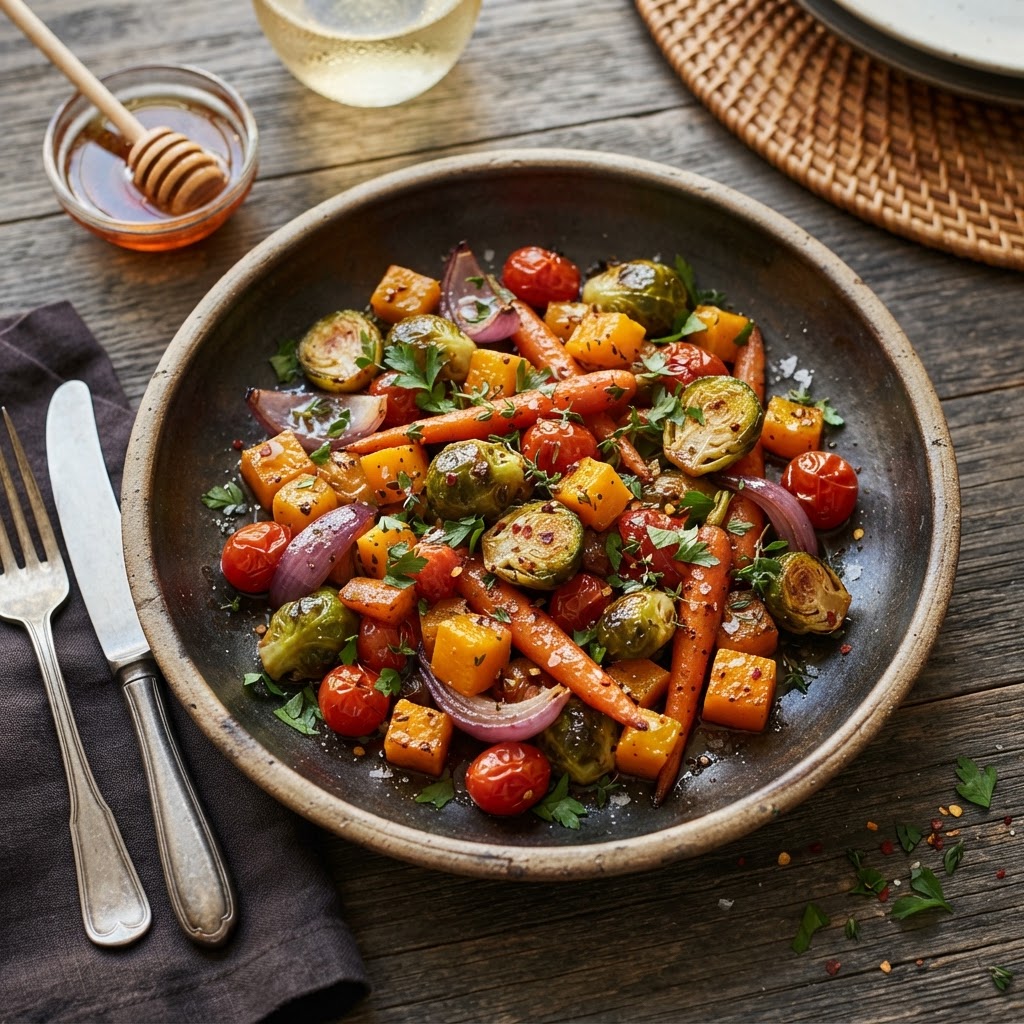
One of the most accessible entry points into this world is the meteoric rise of hot honey. It has become a staple in Canadian kitchens for good reason. Its versatility is unmatched—drizzle it over a charcuterie board featuring sharp Ontario cheddar, or use it as a finishing glaze for roasted root vegetables like carrots and parsnips. The sweetness of the honey rounds out the heat of the chili, creating a harmonious balance that elevates a humble side dish into the star of the table.
Then, there is the transformative power of miso caramel. While we often associate caramel with desserts, mixing a touch of white miso into a classic caramel sauce turns it into a salty, umami-laden glaze that is perfect for roasted squash, glazed pork belly, or even drizzled over crispy, pan-seared Brussels sprouts. The miso adds a fermented depth that prevents the sweetness from becoming cloying, providing a sophisticated edge that will have your guests asking for your secret ingredient.
If you prefer a bit of heat, look no further than chili glazes. Whether you are using a Korean gochujang-based glaze or a simple blend of maple syrup—a nod to our Canadian roots—and sriracha, these sticky, savory-sweet concoctions are perfect for grilling. Imagine salmon fillets coated in a maple-soy-chili glaze, caramelizing under the broiler to create a sticky, golden crust. It is quick enough for a weeknight, yet impressive enough for your most discerning dinner guests.
To successfully pull off a swavory menu, balance is key. If your main course is particularly sweet, ensure your side dishes rely on earthiness and acidity. A salad with a sharp vinaigrette or some roasted greens with lemon zest can cut through the richness of a honey-glazed roast, ensuring that the palate remains refreshed throughout the meal. Don't be afraid to experiment with textures, too. The crunch of toasted nuts or the bite of fresh herbs can complement the viscosity of a sticky glaze, adding another layer of complexity to your dish.
Ultimately, the swavory renaissance is an invitation to play with your food. It is about trusting your instincts and understanding that the best flavor profiles are often those that surprise us. By incorporating these simple, high-impact pairings into your cooking, you are not just making dinner; you are curating an experience. So, the next time you are planning a menu, skip the traditional seasoning. Reach for the honey, the miso, or the chili paste, and embrace the delicious, addictive world of swavory.
Comments (0)
Sign in to leave a comment
No comments yet. Be the first to comment!