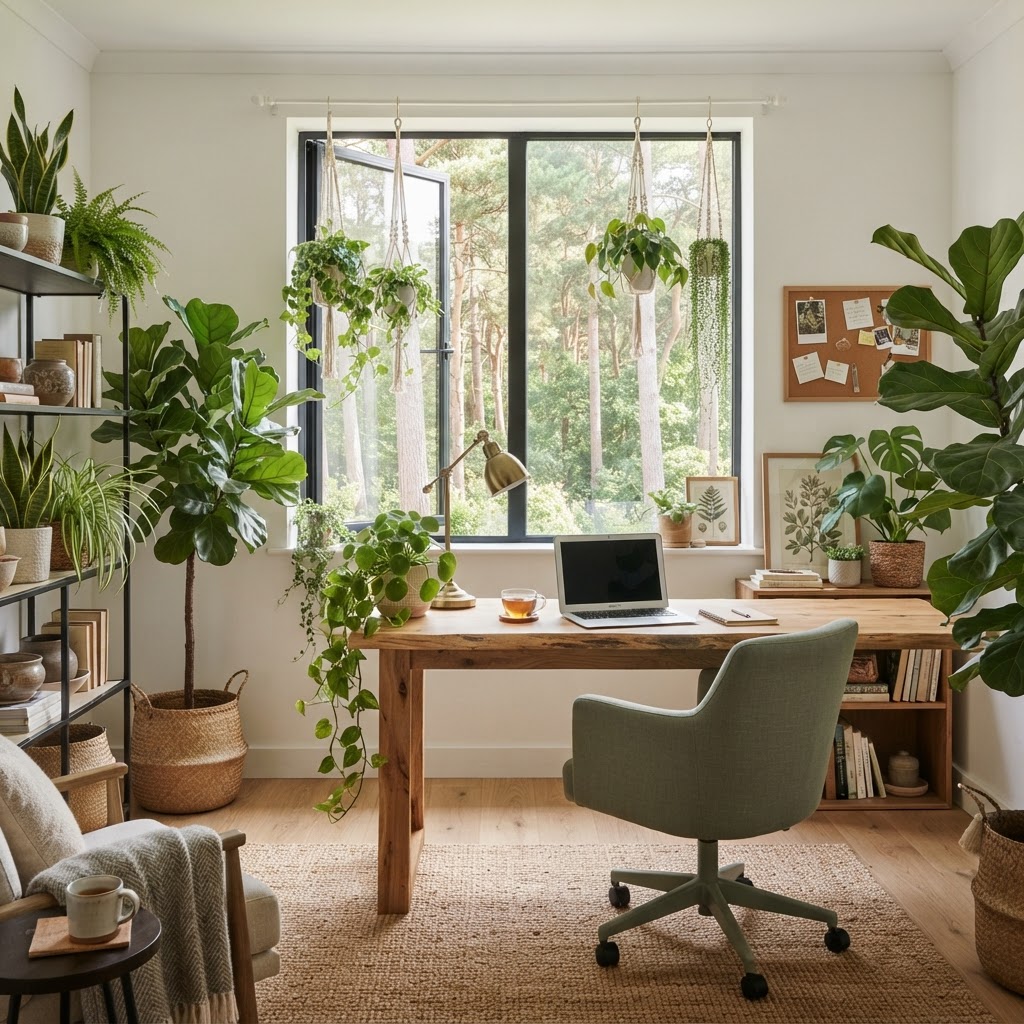
Biophilic Home Office Trends: Bringing the Great Outdoors In
As Canadians, we are intimately familiar with the rhythms of our landscape. When the days shorten and the snow begins to pile up, our connection to the outdoors often shifts from active participation to observation through frosted panes. For the modern remote worker, this transition can sometimes feel isolating. However, the rising trend of biophilic design—the practice of connecting built environments to the natural world—offers a powerful antidote. By integrating nature into your workspace, you aren't just decorating; you are boosting your productivity, reducing stress, and nurturing your mental well-being throughout the challenging winter months. Harnessing Natural Light in Northern Latitudes. The most critical element of biophilic design in Canada is light. During the darker months, maximizing natural illumination is essential for regulating your circadian rhythm. Position your desk as close to a window as possible to capture the limited daylight available. If your office layout is fixed, utilize light-reflective decor, such as mirrors strategically placed to bounce light into deeper corners of the room. Investing in a high-quality full-spectrum daylight lamp can also simulate the beneficial wavelengths of the sun, helping to mitigate the winter blues while you tackle your to-do list. Selecting Resilient Indoor Greenery. You don't need a sprawling solarium to reap the benefits of indoor plants. For Canadian homeowners, the key is choosing hardy species that can thrive despite low humidity levels common in our heated homes. Snake plants and ZZ plants are exceptional choices for busy professionals because they are incredibly resilient and thrive in lower light conditions. If you crave a more lush look, consider a Fiddle Leaf Fig placed in a sunny corner or a trailing Pothos on a bookshelf to add dynamic, living movement to your walls. Grouping plants together creates a microclimate that helps maintain humidity, turning your desk into a revitalizing oasis. The Power of Organic Textures. Biophilic design extends beyond visual elements; it is a sensory experience. Incorporating organic textures helps ground your space and adds a layer of tactile warmth that synthetic materials simply cannot replicate. Think of a reclaimed wood desktop that invites a tactile connection to the forest, or a wool rug that adds cozy acoustic insulation to your room. Incorporating stone accents—perhaps a small polished river rock paperweight or a slate desk tray—introduces the calming energy of the earth. These natural textures soften the hard edges of technology, making the space feel more like a retreat and less like a corporate cubicle. Creating a Canadian-Inspired Workspace. To truly make the space your own, look to our local geography for design inspiration. Use a palette derived from the Canadian Shield—deep slate greys, forest greens, and the warm, creamy whites of a fresh snowfall. This creates a cohesive, serene aesthetic that feels intentional rather than cluttered. Consider installing a living wall or a simple vertical planter to maximize square footage in smaller condo offices. By introducing these natural layers, you cultivate a workspace that feels restorative, allowing you to sustain focus and creativity even when the temperature outside is well below freezing. Embracing the seasons through biophilic design isn't just a trend; it is a sustainable lifestyle choice for the Canadian professional. By prioritizing light, plant life, and organic materials, you create a home office that supports your performance and protects your peace of mind, no matter how long the winter lasts.
Comments (0)
Sign in to leave a comment
No comments yet. Be the first to comment!