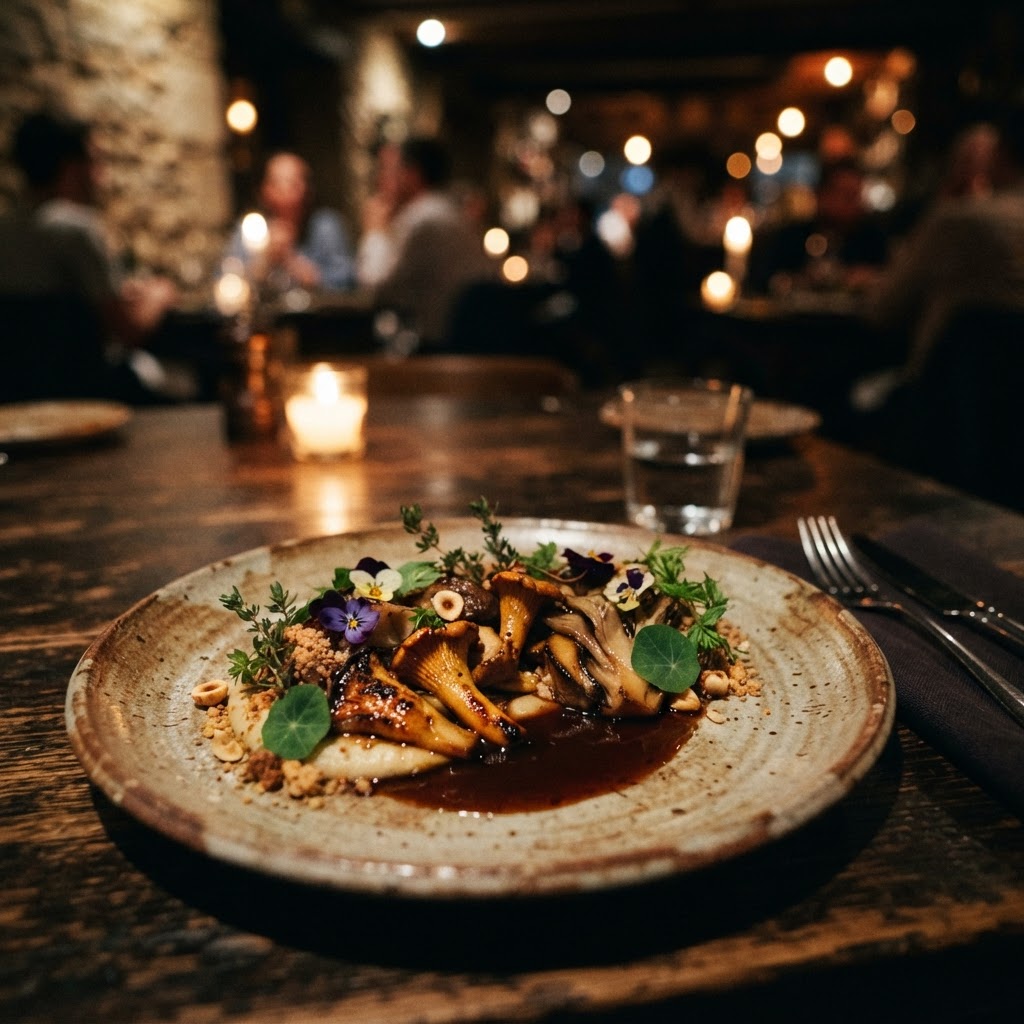
Foraging Fine Dining: Canada’s Farm-to-Table Evolution in 2026
As we move through the summer of 2026, the Canadian culinary landscape is undergoing a profound transformation. No longer content with merely sourcing from local farms, the nation’s most visionary chefs are venturing deeper into the wild, bringing the raw, untamed essence of the Canadian landscape directly to the white-tablecloth experience. This evolution of the farm-to-table movement—now more accurately described as 'forest-to-fork'—is defining a new era of hyper-local gastronomy that prioritizes terroir, sustainability, and authentic storytelling.
Foraging has moved from a niche, crunchy-granola subculture to a cornerstone of high-end dining. Across the country, from the rugged coastlines of British Columbia to the verdant forests of Atlantic Canada, chefs are working with professional foragers to secure ingredients that simply cannot be found in a commercial grocery store. We are seeing a shift toward 'humble beginnings,' where technique and craft highlight the pure, bold flavors of ingredients like spruce tips, wild mushrooms, and coastal sea greens.
Why is this happening now? In 2026, Canadian diners are increasingly seeking connection—not just to the food they eat, but to the land it comes from. In a world where global supply chains feel increasingly precarious and digital interaction dominates our lives, the sensory experience of eating something foraged from a nearby forest provides a grounding, visceral sense of place. It is a rebellion against industrial-scale agriculture and a celebration of what is uniquely Canadian.
Take, for instance, the rising popularity of 'wild-foraged' beverages. Mixologists in major urban centers like Toronto and Vancouver are utilizing nature’s pantry, crafting sodas and cocktails infused with burdock root, sumac, cedar, and white-pine needles. These drinks do more than just quench thirst; they act as a liquid introduction to the local ecosystem, turning a simple happy hour into an educational exploration of the region’s biodiversity.
For those looking to experience this trend, the key is to look for restaurants that emphasize seasonal fluidity. Because foraged ingredients depend on the specific whims of the weather and the calendar, these menus are often small, focused, and rapidly changing. A dish featuring morel mushrooms in late spring might be replaced by chanterelles or boletes by mid-summer. This volatility is not a drawback; it is the ultimate expression of freshness. When you dine at these establishments, you are participating in a conversation between the chef and the landscape.
For home cooks looking to bring a touch of this movement into their own kitchens, the best advice is to start small and prioritize education. Foraging is a beautiful way to engage with nature, but it requires deep respect and knowledge. Always ensure you are identifying plants correctly, and if you are a beginner, consider joining a guided local foraging tour. Even if you aren't ready to wander the woods, you can support this movement by seeking out farmers' markets that carry wild-harvested goods or by visiting restaurants that clearly state their commitment to hyper-local, foraged sourcing.
Ultimately, the 2026 farm-to-table evolution is about more than just food; it is about reclaiming a sense of identity. By embracing the bounty that grows right in our own backyards, we are discovering that the most luxurious ingredients were never hidden behind store shelves—they were waiting for us in the wild all along.
Comments (0)
Sign in to leave a comment
No comments yet. Be the first to comment!