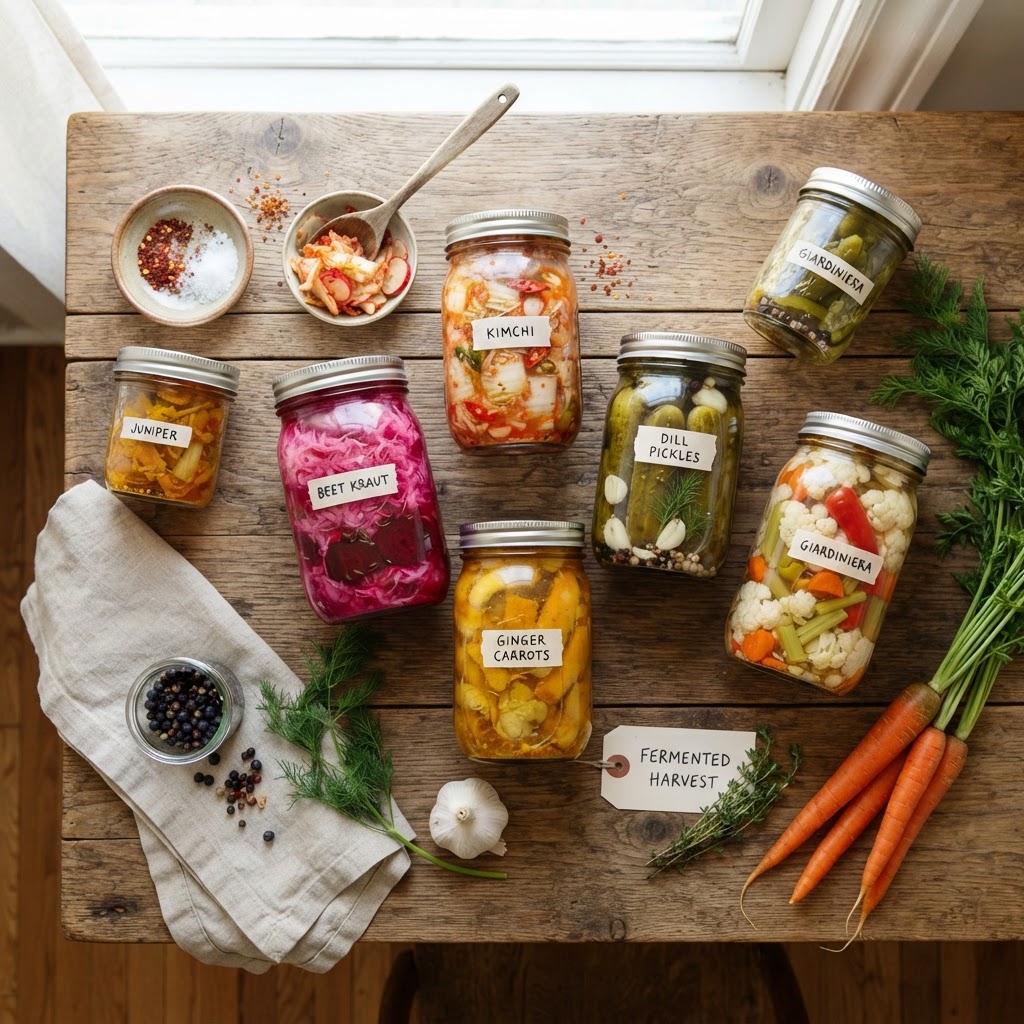
Foraging and Fermenting: The New Culinary Movement in Canadian Home Kitchens
Across Canada, a quiet but powerful shift is taking place in our home kitchens. Moving away from the convenience-heavy habits of the past, a growing number of Canadians are rediscovering the profound satisfaction of crafting food from scratch. This culinary movement is rooted in two ancient traditions: foraging the land and fermenting the harvest. Whether it is gathering wild spruce tips in Northern Ontario or brewing a vibrant batch of kombucha in a Vancouver apartment, this trend is about more than just aesthetics—it is about connection, sustainability, and reclaiming our gut health.
Fermentation is having a massive resurgence, fueled by a collective desire for functional, health-promoting foods. From the tangy crunch of homemade kimchi to the effervescent zing of ginger-infused kombucha, these "probiotic powerhouses" have moved from niche health stores to the heart of the Canadian home. Experts and organizations like the Canadian Fermented Foods Initiative are highlighting how these living foods can support digestion, immunity, and even mental well-being. For the modern Canadian cook, fermentation is a practical, cost-effective way to preserve seasonal produce and reduce food waste, turning simple cabbage, carrots, or surplus garden herbs into nutrient-dense delicacies.
Simultaneously, the art of foraging is bringing us closer to the Canadian landscape. Whether you are in the Prairies identifying Saskatoon berries or along the West Coast seeking out young stinging nettle, foraging offers an intimate way to engage with nature. It is an exercise in mindfulness and deep observation. As foraging grows in popularity, so does the emphasis on ethical gathering: taking only what is needed, respecting land rights, and always prioritizing safety through expert-led workshops and trusted identification guides. Foraging is not just about filling a basket; it is about learning the rhythm of our local forests and fields.
Combining these two worlds—the wild bounty of the Canadian wild and the transformative power of fermentation—creates a uniquely local culinary experience. Imagine a batch of wild-leek kraut or a spruce-tip kombucha that captures the very essence of your local forest in a jar. These ferments are the ultimate expression of 'terroir,' offering flavors you simply cannot buy in a supermarket aisle. By using local, organic ingredients, you aren't just making dinner; you are engaging in a seasonal ritual that honors the land and supports your body.
Getting started is more approachable than many realize. You do not need expensive equipment to begin your fermentation journey; a few clean, wide-mouth mason jars, some sea salt, and a bit of patience are all that is required for most vegetable ferments. For foragers, the best advice is to start small: pick one edible plant or mushroom common to your area, study it thoroughly, and join a local foraging group or take a tour to learn from seasoned experts. Remember, if you aren't one hundred percent certain of an identification, never consume it.
This movement is about more than just food; it is about building a deeper relationship with what we eat. As we continue to navigate a world that often feels disconnected and fast-paced, the act of slowing down to gather wild ingredients and patiently waiting for the natural alchemy of fermentation to take place is deeply grounding. It turns the kitchen into a laboratory of flavor and the local wilderness into a pantry, proving that the most meaningful culinary experiences are often right in our own backyards.
Comments (0)
Sign in to leave a comment
No comments yet. Be the first to comment!