Summer Foraging: Sustainable Edibles Found in Canadian Forests
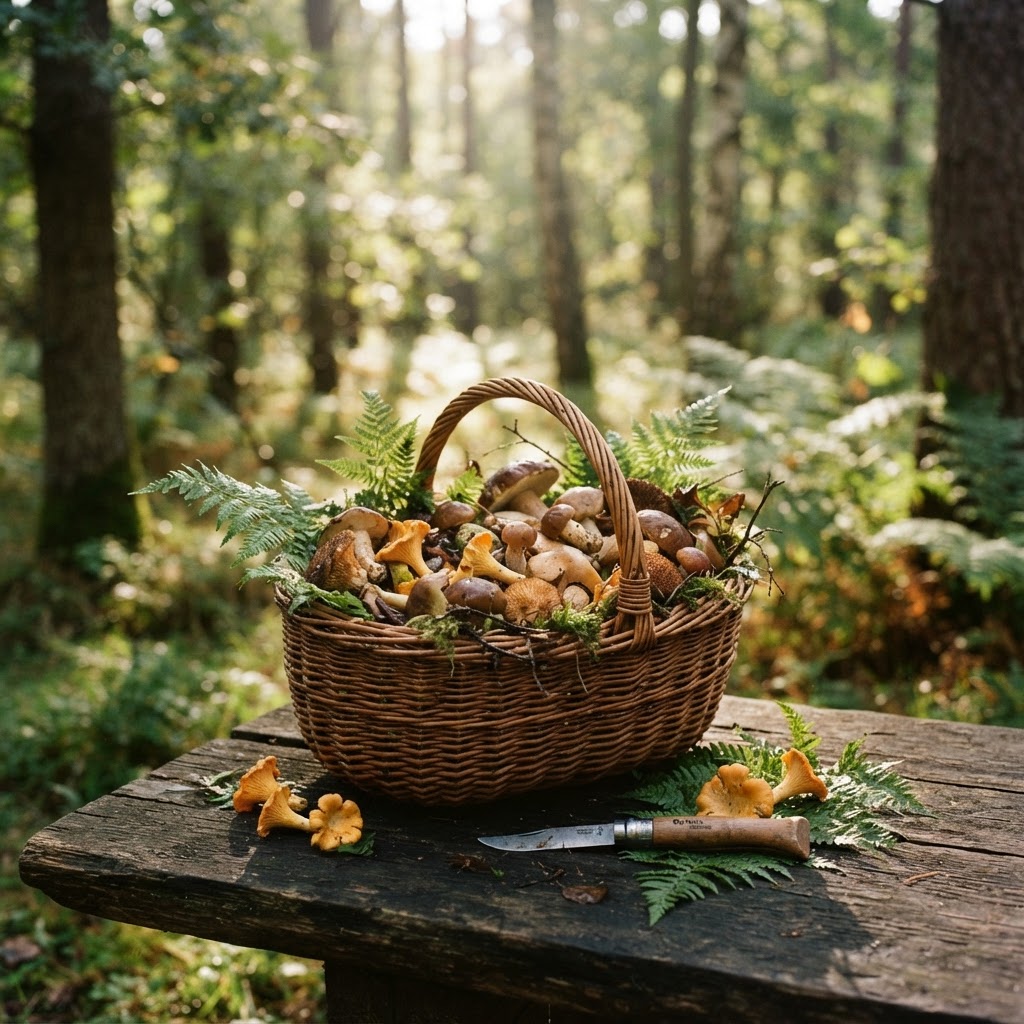
As the Canadian wilderness awakens with the warmth of summer, many city dwellers are looking beyond the grocery store aisles to reconnect with the land. Foraging is more than just a hobby; it is a profound way to engage with nature, understand local biodiversity, and embrace a truly sustainable lifestyle. For those based in major Canadian hubs like Vancouver, Toronto, or Montreal, escaping to the forest offers a unique opportunity to source seasonal, organic ingredients that are as local as it gets. However, foraging comes with a responsibility to the environment that every Canadian must respect. Sustainable foraging ensures that we leave enough for the wildlife and the forest floor to regenerate for years to come. In this guide, we explore how to ethically identify and harvest some of Canada’s most beloved wild edibles. Understanding the landscape is the first step toward becoming a responsible forager. Before stepping off the trail, ensure you are not on protected land, private property, or within a national park where harvesting may be restricted. Always carry a reliable field guide or use a trusted local app to confirm your findings. Remember the golden rule of foraging: if you are not one hundred percent certain of an identification, never eat it. When in doubt, leave it out. The thrill of the hunt is not worth the risk. One of the most sought-after treasures in Canadian forests is the fiddlehead. These tightly coiled fronds of the ostrich fern emerge in the damp, shaded areas near rivers and streams during the early summer months. Fiddleheads are not only a delicious delicacy but also a cultural icon of Canadian spring and summer cuisine. When harvesting, sustainability is key. Only take one or two fronds from each plant cluster to ensure the fern can continue to grow and reproduce. Always trim them with a knife rather than pulling them, which can damage the plant's root system. Once home, remember that fiddleheads must be thoroughly washed and boiled or steamed before consumption to ensure they are safe and tender. As the season progresses, the forest floor transforms, giving way to the prized chanterelle mushroom. These golden-hued fungi are favorites among chefs and home cooks alike for their delicate, peppery flavor and firm texture. Chanterelles often grow in mossy, wooded areas near hemlock or spruce trees. When you spot a cluster, resist the urge to harvest everything. Take only about one-third of the patch and use a clean brush to gently clear away forest debris before placing your haul in a breathable mesh or wicker basket. Plastic bags cause mushrooms to sweat and spoil rapidly, so proper ventilation is essential. Sustainability in foraging is also about giving back to the ecosystem. Practice the 'leave no trace' philosophy by minimizing your footprint and packing out any trash you find along the way. Furthermore, be mindful of the indigenous communities whose traditional territories you are visiting. Acknowledging the land and its history is a vital part of the modern Canadian foraging experience. By respecting both the biological and cultural heritage of our forests, we elevate foraging from a simple act of gathering food to a meaningful practice of stewardship. As you integrate wild ingredients into your cooking—perhaps a wild mushroom risotto or a sautéed fiddlehead side dish—you are not just eating a meal; you are tasting the essence of the Canadian wilderness. Start slow, educate yourself, and always prioritize the health of the forest over your harvest. By foraging responsibly, you contribute to a more sustainable future, proving that living in the city doesn't mean you can't be deeply rooted in the wild beauty of Canada.
Comments (0)
Sign in to leave a comment
No comments yet. Be the first to comment!