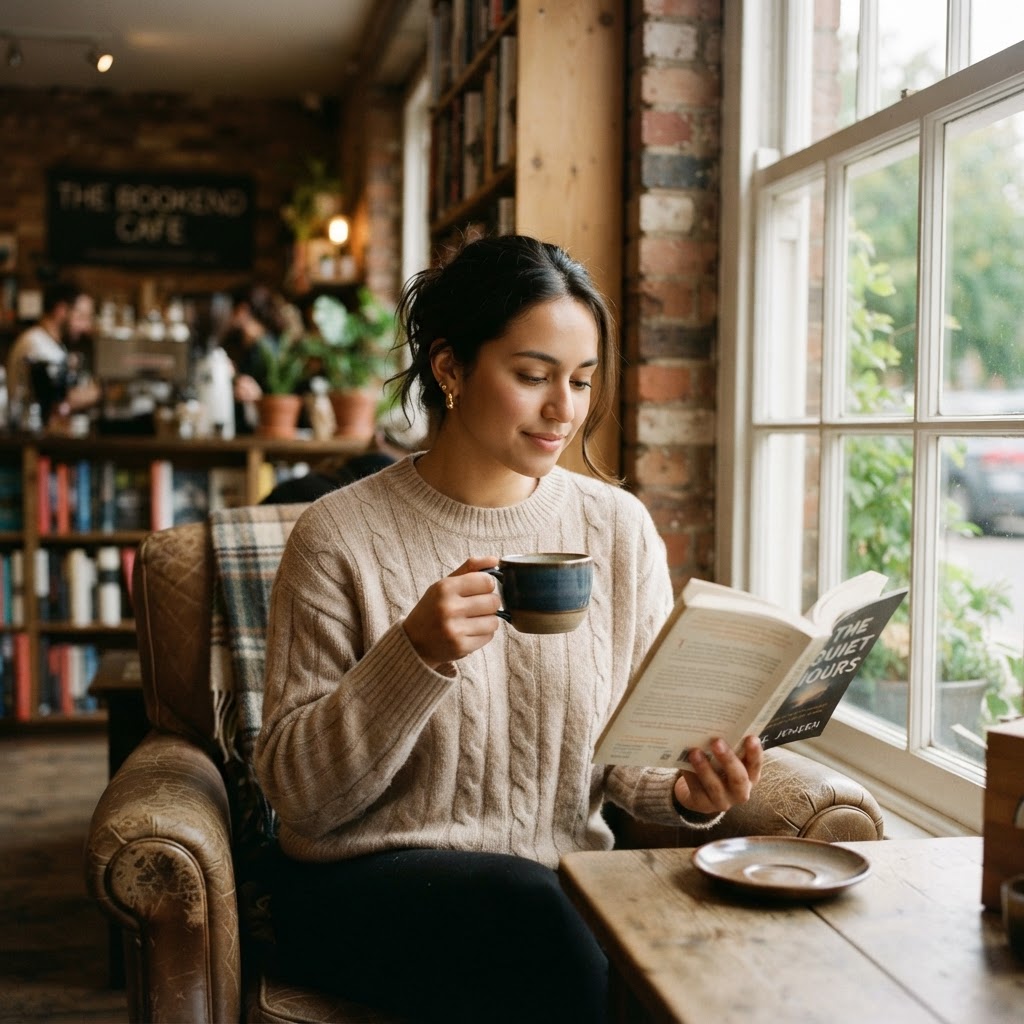
The Rise of 'Solo-Care': How Canadians Are Celebrating the Art of Being Alone
In an era defined by constant connectivity and the pressure to perform, a quiet revolution is taking place across Canada. It is not a movement of isolation, but rather a deliberate reclamation of self: the rise of 'solo-care.' As one-person households become the most common living arrangement nationwide, Canadians are increasingly turning toward intentional solo experiences to combat modern burnout, rediscover their personal identities, and prioritize their own well-being.
Moving beyond the stigma that once surrounded solitary living, many are embracing the autonomy of 'me-time.' Whether it is booking a table for one at a trendy city bistro or curating a sanctuary at home, this shift is transforming how we view independence. It is a powerful acknowledgment that we do not need to be in a pair or a group to live a full, vibrant, and deeply satisfying life.
Solo Dining: A New Social Norm
Dining out alone was once met with a mix of pity and discomfort, often referred to by the tongue-in-cheek term 'solomangarephobia.' Today, that fear is rapidly dissipating. Recent data from industry leaders like OpenTable and KAYAK shows that 86% of Canadians have dined solo in a sit-down restaurant in the past year, with many viewing these outings as a vital form of self-care. In cities like Toronto and Victoria, restaurants are catching on, offering more comfortable seating—from cozy, quiet booths to high-top bars that overlook busy kitchens—specifically designed for the solo guest.
For the modern Canadian, a solo dinner is not a lonely experience; it is an act of liberation. It provides a rare opportunity to people-watch, catch up on a good book, or simply relish the peace and quiet of a meal without the need for conversation or compromise. As a bonus, solo diners are often more adventurous, splurging on new experiences or seasonal menus they might otherwise pass up in a group setting.
Crafting Your Home Sanctuary
While public adventures are growing in popularity, the heart of solo-care remains in the home. Creating a ritualistic space allows you to disconnect from the digital noise and external demands of the workday. Intentional rituals—distinct from mere routines—bring purpose to your downtime. Consider starting your morning with a 'digital detox' block, where phones and notifications are banned for 30 minutes, or transforming your bathroom into a spa with natural ingredients like honey and essential oils for a restorative soak.
These rituals are about more than just pampering; they are about fostering emotional resilience. By spending time alone without the distraction of social media, you create the mental space necessary for introspection and emotional regulation. This is your time to check in with yourself, identify your needs, and practice self-compassion. Whether it is journaling by candlelight, tidying your space to clear mental clutter, or simply engaging in a hobby like painting or cooking without an audience, these moments of solitude are essential for keeping your 'social battery' charged.
Redefining Personal Identity
At its core, solo-care is a journey of self-discovery. By stepping away from the expectations of others, you gain the freedom to define who you are on your own terms. Psychologists have long noted that solitude promotes self-awareness and creativity. When you are no longer relying on someone else for validation, you learn to trust your own instincts, manage your emotions more effectively, and set boundaries that protect your peace.
As we navigate the complexities of modern life in Canada, remember that being alone is not a failure of social connection—it is a sophisticated, healthy tool for emotional survival. So, take the leap. Whether you try a new café in your neighborhood this weekend or carve out a sacred hour of quiet in your living room, you are investing in the most important relationship you will ever have: the one with yourself.
Comments (0)
Sign in to leave a comment
No comments yet. Be the first to comment!