Beyond the Smash Burger: Why Canada’s 'Small Plate Renaissance' is Here to Stay
For years, the Canadian culinary landscape was dominated by the cult of the smash burger. From Toronto’s trendy independent burger bars to nationwide fast-food rollouts, the thin, crispy-edged patty became the unofficial mascot of our casual dining scene. It was simple, nostalgic, and undeniably craveable. But as our appetites for variety and social connection grow, a quieter, more sophisticated movement has begun to take hold: the 'Small Plate Renaissance.'
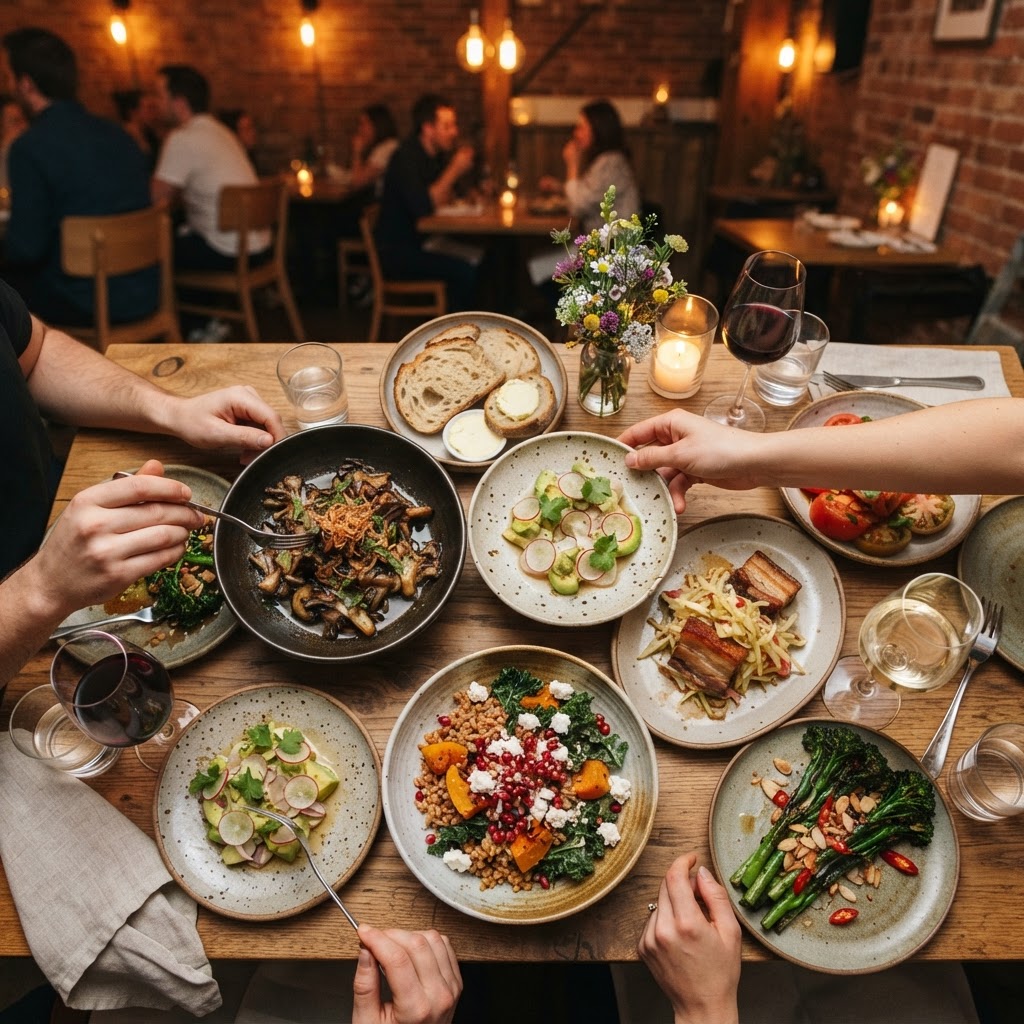
This shift isn't just about changing what we eat; it’s about changing how we experience the act of dining altogether. We are moving away from the 'volume era'—where the goal was a heavy, singular entrée—and into an age of intentional, communal grazing. This transition toward tapas-style, shareable dishes is not merely a passing fad; it is a fundamental correction to our dining habits, rooted in a desire for variety, quality, and genuine social connection.
At its core, the small plate format restores agency to the diner. In the traditional model, you commit to one large dish, often leaving you overfed or wishing you had chosen differently. Small plates invite a 'choose-your-own-adventure' approach. You can sample the charred octopus, follow it with a vibrant seasonal salad, and finish with a delicate house-made pasta, all without the commitment of a heavy, singular meal. This variety allows for true culinary exploration, making every dinner feel less like a transaction and more like a curated event.
From a wellness perspective, the movement is a breath of fresh air. By focusing on smaller portions, diners can prioritize nutrient-dense ingredients over sheer mass. Whether it’s a plate of local roasted mushrooms in Halifax or a selection of fresh, seasonal vegetables in a Vancouver bistro, the emphasis shifts toward the quality of the produce. It’s an approach that respects the body’s intelligence, allowing diners to eat until they are satisfied, not just until they are stuffed.
Beyond the food, the social dynamics of the table are completely transformed. When you order for the table rather than for yourself, the meal becomes inherently collaborative. You are passing plates, debating flavours, and creating a shared narrative for the evening. This style of dining breaks down the formality of the traditional 'entrée-centric' restaurant, fostering a relaxed, festive atmosphere that is perfectly suited for everything from a first date to a long-awaited reunion with friends.
For restaurant owners across Canada, the small plate trend also offers a practical, sustainable path forward. It allows kitchens to remain agile, pivoting menus based on the availability of seasonal, local ingredients rather than being tethered to a static, high-waste menu. This adaptability is key in an economy where cost management and food waste reduction are top of mind. It’s a win-win for both the business and the patron: kitchens reduce spoilage and focus on high-quality execution, while diners enjoy fresher, more creative plates at a price point that rewards sampling.
As we look ahead, the smash burger will certainly retain its place in the Canadian pantheon of comfort food—there will always be a time and place for that crispy, nostalgic bite. However, the 'Small Plate Renaissance' is proof that Canadian palates are evolving. We are looking for something more from our dining experiences: more connection, more variety, and more mindfulness. The next time you find yourself booking a table, look for the spots that encourage you to share, sample, and savor. In a world that is constantly rushing, the best way to move forward might just be one small bite at a time.
Comments (0)
Sign in to leave a comment
No comments yet. Be the first to comment!